Depths of Hurt: An Intriguing Emotion
At its core, hurt is an emotional response to a perceived loss or violation. This loss can be tangible, such as the loss of a loved one, or intangible, like the loss of respect or love. The perception of this loss is crucial; it’s not the objective situation that determines hurt, but how one interprets and internalizes it. The origins of hurt can be traced back to our earliest human experiences. As infants, we are utterly dependent on others for our survival, leading to a deep-rooted need for attachment and acceptance. This need, while essential for survival, also becomes the breeding ground for hurt. When our expectations of support, love, or acknowledgment are unmet, we experience hurt.
Hurt often manifests differently in personal and professional contexts, yet the underlying mechanics are surprisingly similar. In personal relationships, hurt is often more directly linked to emotional bonds and expectations of love, loyalty, and understanding. In professional settings, while the emotional stakes may seem lower, the hurt can still be profound. It often stems from unmet expectations regarding respect, recognition, or the outcome of our efforts. The statement “don’t take it personally” in professional environments is an acknowledgment of this complexity. It attempts to draw a boundary between the personal self and the professional role. Yet, this separation is often not as clear-cut as it seems. Our professional lives are an extension of our personal selves; the values, aspirations, and efforts we put into our work are deeply personal. Thus, when we face criticism, rejection, or failure at work, it can still impact our personal self-esteem and sense of worth.

The hurt one experiences is often a reflection of internal expectations and self-perception. When others do not meet our expectations, or when we fail to meet our own, we experience a sense of loss. This loss is not just about the external situation but also about our internal narrative. We construct stories about who we are and how the world should respond to us. When reality diverges from these stories, we feel hurt. Understanding hurt requires dissecting the dichotomy between external causes and internal reactions. Is hurt caused by others, or is it self-inflicted? The answer is nuanced. Others can act as triggers, but the actual experience of hurt is an internal process. It is our interpretation of events, filtered through our personal beliefs and past experiences, that generates hurt. human experience. We are beings of desire and expectation, living in a world that is constantly changing and often unpredictable. This disconnect between our desires and reality is a fertile ground for hurt. However, this inevitability doesn’t imply helplessness. It requires a shift from external validation to internal self-acceptance, and from rigid expectations to flexible aspirations. This journey towards resilience is not about becoming indifferent or uncaring, but about cultivating a grounded sense of self that can navigate the ups and downs of life with equanimity.
Developmental psychology, for instance, sheds light on how early experiences shape our vulnerability to hurt. Childhood, where the foundation of our self-esteem and worldviews are formed, significantly influences how we perceive and react to potential hurts in later life. Attachment suggests that our early bonding experiences with caregivers form templates for future relationships. Secure attachments lead to resilience, while insecure attachments can heighten our sensitivity to rejection and loss, predisposing us to deeper hurt.
Hurt also stems from conflicts of human existence – our search for meaning in an indifferent universe, the realization of our freedoms and limitations, and the ultimate confrontation with our mortality. Our self-perception plays a critical role in this process. If we perceive ourselves as capable and deserving, failing to meet expectations can lead to self-criticism and hurt. Conversely, if we see ourselves as unworthy, we may internalize external negative outcomes as confirmations of this belief, perpetuating cycles of hurt and low self-esteem.
Let us take a simple example where you feel hurt due to a longing for more time and attention from a loved one, even though you recognize they are doing their best. At the heart of your experience lies a paradox: you have an expectation (desiring more time and attention) and simultaneously an understanding (knowing your loved one is doing their best). This dichotomy is not just a matter of conflicting thoughts, but a reflection of the complex nature of human needs and empathy. On one hand, your need for time and attention is genuine – a fundamental aspect of human relationships where such connections and affirmations are essential for emotional bonding and fulfillment. On the other hand, your empathetic understanding of your loved one’s circumstances shows a depth of maturity and compassion. Feeling hurt in this context may arise from an unmet need, which is central to your emotional wellbeing. It’s important to recognize that such needs are not just whimsical desires; they are integral to our sense of connection and belonging. When these needs are not fully met, even in the presence of understanding and rationalization, it creates an emotional void, often experienced as hurt. The consequences of this paradox can be profound. When the fear of burdening outweighs the need for communication, individuals might choose to suppress or hide their feelings. This suppression, while it might seem to maintain harmony in the short term, can lead to several negative outcomes like emotional distance, resentment or misunderstanding. However, this need for emotional expression often collides with an equally powerful force – the fear of overburdening others. This fear stems from a place of empathy and concern, where we become acutely aware of the other person’s potential struggles and challenges. It also arises from our own vulnerabilities; the fear of being seen as needy, weak, or burdensome. Moreover, there’s an underlying concern about the dynamics of the relationship itself – the worry that being too open about our troubles or desires might alter the equilibrium of the relationship, potentially leading to conflict, distance, or discomfort.
At the heart of this paradox is our self-concept, the multifaceted perception we hold of ourselves. This self-concept is not static; it is shaped by our experiences, beliefs, and the feedback we receive from our environment. When we consider communicating our innermost thoughts and feelings, we are also negotiating with our self-concept. Are we someone who burdens others? Are we worthy of being heard and understood? These questions reflect deeper insecurities and beliefs about our worthiness and role in our relationships. The fear of being a burden often stems from a vulnerable place in our self-concept, where we doubt our value in the eyes of others. The complexity of this paradox also lies in the dynamic nature of human relationships. Each relationship we form is a unique intersection of personalities, histories, and expectations. In some relationships, there may be an established pattern of one person being the caregiver and the other the receiver. Attempting to reverse or alter these roles by expressing one’s own vulnerabilities can feel disruptive and fraught with uncertainty. There’s also the aspect of reciprocity – the balance of give and take. In healthy relationships, this balance is fluid and flexible, but the fear of disturbing this balance can make the act of communication seem daunting.
Psychologically, this paradox is intersecting with our deepest fears and vulnerabilities. It often triggers core issues related to self-worth, rejection, and abandonment. When we contemplate sharing our burdens, we are not just sharing a specific problem or feeling; we are also, on a deeper level, testing our acceptability and worthiness in the eyes of others. The fear that our vulnerabilities might make us less worthy of love or respect can be a powerful deterrent to open communication…
Love and Longing – A paradox ??
The experience of longing for love is universal and deeply rooted in our humanity. This longing, often described as an unquenchable thirst, is both a blessing and a burden, driving us to form connections, seek fulfillment, and explore the depths of our own emotions.
Delving into the realm of quantum physics, there’s an intriguing principle known as quantum entanglement. It suggests that two particles, once entwined, will remain connected irrespective of distance. A change in the state of one will instantly affect the state of the other, no matter how far apart they are.

Drawing a parallel to human emotions, particularly longing, one could argue that individuals form ’emotional entanglements.’ The sense of connection might not be physical but is as intense, enduring, and mystifying as quantum entanglements. This could be the reason why, even in separation, our emotions remain tethered to another person, place, or memory. Longing is a complex emotion that can arise from various sources. At its core, it’s a yearning for something that seems to be just out of reach. We might long for a loved one, for a sense of belonging, for an idealized version of the world, or for a deeper connection with ourselves.
Our longing for love can be seen as a biological imperative. Our ancestors who formed strong social bonds and felt a deep connection to their kin were more likely to survive and reproduce. As a result, the longing for love and connection is deeply ingrained in our genetic makeup. Our experiences shape our emotional responses. For instance, early attachment experiences with caregivers can influence our future relationships and how we perceive love. Similarly, our psychological makeup, shaped by both nature and nurture, affects how we experience longing.
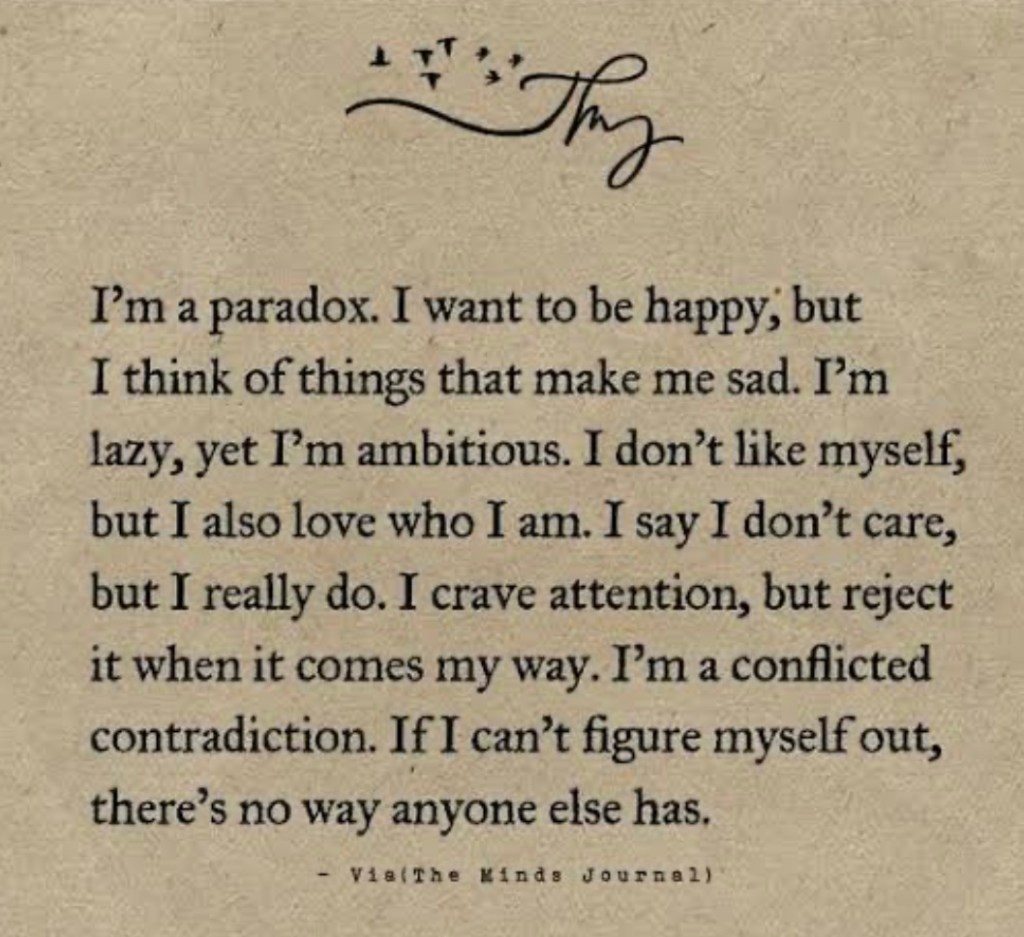
The relationship between love and longing is paradoxical. On the one hand, love can make us feel whole, bringing joy and fulfillment. On the other hand, it can also create a sense of longing, especially when faced with separation or unfulfilled desires. This tension is often evident in poetry and art, where love and longing are intertwined in complex ways. When we are in love, we often feel a sense of completeness. The world seems brighter, and we may experience a deep sense of contentment. This feeling arises from the connection and emotional intimacy that love brings. In these moments, longing may fade into the background. Despite the fulfillment that love offers, it can also create a sense of longing. When separated from a loved one, the intensity of our love can manifest as a deep yearning for their presence. This longing can also arise from unmet emotional needs, unfulfilled desires, or the idealization of love.
Love and longing are not mutually exclusive; they often coexist. The very act of loving someone can make us more aware of their absence when they are not around. Similarly, longing can intensify our love, making us cherish our moments of connection even more. This dynamic interplay adds depth to our emotional experiences.
Longing is not a singular emotion; it encompasses a range of feelings, including hope, desire, melancholy, and even pain. Longing often involves a strong desire for something or someone. This desire can create a sense of anticipation, making us look forward to future possibilities. The act of longing can be both exciting and agonizing, as we await the fulfillment of our desires. Longing can also be rooted in the past. We may long for a time when we felt loved, accepted, or understood. This sense of nostalgia can be accompanied by melancholy, as we realize that the past cannot be recaptured. Sometimes, longing arises from idealization. We may create a mental image of the perfect partner, the ideal life, or a utopian world. These idealized visions can make us feel discontented with our current reality, fueling a sense of longing. Longing can be painful, especially when it feels unending or unrequited. The intensity of our yearning can create a sense of suffering, as we grapple with the gap between our desires and reality.
Wrestling with the feelings associated with longing can lead to deeper emotional intelligence. Through introspection, we can learn more about ourselves, our needs, and our desires. Understanding the root of our longing can help us address underlying issues or unmet needs in our lives. everyone has felt it at some point. Recognizing this shared experience can foster empathy towards others and deepen our human connections. By understanding our own feelings of longing, we become better equipped to empathize with others.
Life is characterized by dualities: happiness and sorrow, presence and absence, fulfillment and yearning. While these might seem contradictory, they often exist side by side and give depth to our experiences.
Presence in Absence: Even in the absence of what we long for, there’s a certain presence of that object or person in our thoughts and emotions. This phenomenon speaks to the power of our minds and hearts to transcend physical limitations.
Completeness in Incompleteness: The very feeling of longing suggests that there’s something we deem essential for our completeness. However, the journey of life is about realizing that, in many ways, we are already complete in our incompleteness. The gaps and spaces create room for growth, evolution, and understanding.
Stability in Flux: Our feelings, including longing, are in constant flux. They come and go, intensify and wane. But beneath these changing emotions, there’s a stable core of self, a foundational aspect of our being that remains unswayed.
 Abhishek Fanse