Honesty and Dishonesty: Beyond the surface
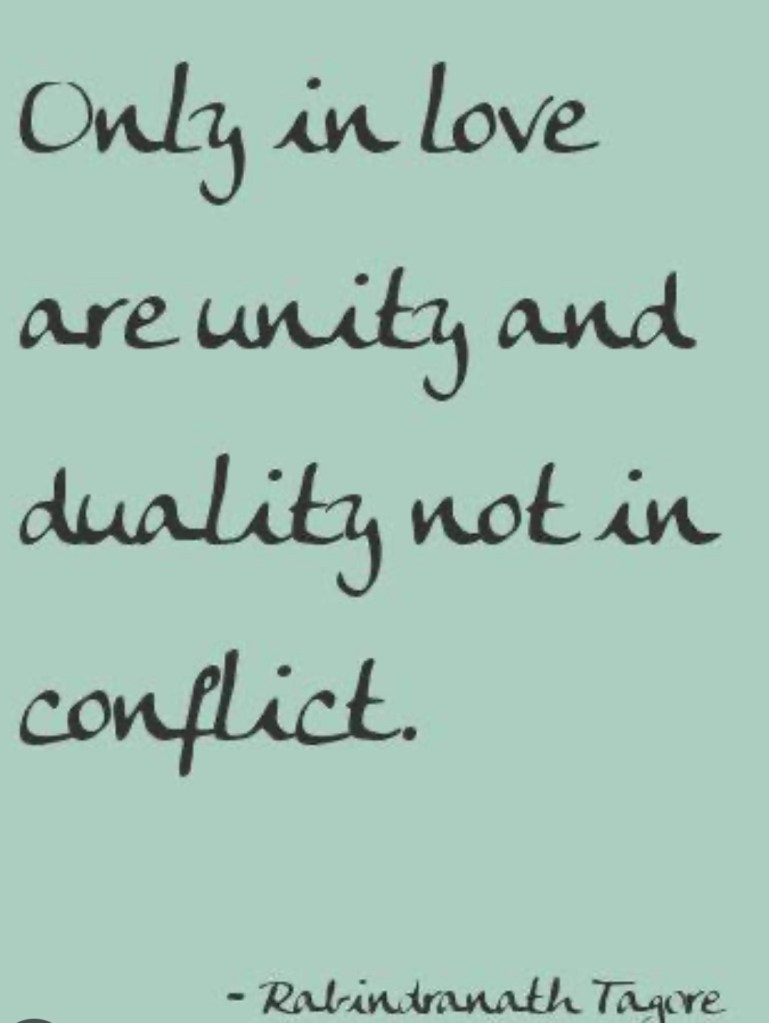
The concepts of honesty and dishonesty, fidelity and infidelity, often evoke strong reactions from people, shaped by moral, cultural, and societal conditioning. These binaries dominate much of human interaction, creating judgments about what is right and wrong, what is ethical and unethical. However, when we delve deeper into these ideas, we begin to see that these distinctions are part of a broader illusion of duality—a construct that humanity has built over millennia to navigate the complexities of life.
The very act of labeling actions as “honest” or “dishonest,” “faithful” or “unfaithful” stems from a worldview that is bound by dualistic thinking. In such a worldview, life is divided into opposites—good and bad, right and wrong, true and false. Yet, as we explore the nature of consciousness and presence, it becomes clear that these dichotomies are not fixed, but rather fluid, shaped by the limited perceptions of the human mind.
At the heart of this inquiry lies the question: what happens when one operates with complete presence, in a state of being where the mind is free from the constructs of past and future, of moral judgments, and of conditioned responses? In such a state, does the very notion of honesty and dishonesty, fidelity and infidelity, dissolve? Can we transcend the dualities that dominate our understanding of reality? And if so, what does that reveal about the nature of the “real world” we think we live in?
In this exploration, we will dive deep into these questions, dissecting the nature of honesty, dishonesty, fidelity, and infidelity, and ultimately aiming to dissolve the myths and illusions that surround them.
From an early age, we are taught that honesty is a virtue, a moral standard by which we should live. To be honest is to tell the truth, to be transparent, and to act in alignment with what is considered ethical. Dishonesty, on the other hand, is seen as a vice—deceiving, hiding the truth, or acting in ways that betray trust. Society has built intricate structures around these concepts, embedding them in legal systems, educational frameworks, and interpersonal relationships.
However, what we often fail to recognize is that both honesty and dishonesty are constructed within the realm of thought. They are ideas that arise from the human mind, shaped by cultural and historical contexts. What may be considered honest in one culture could be viewed as dishonest in another. For instance, in some cultures, withholding certain information is seen as a way to protect others, while in other societies, it may be seen as deceit. Thus, honesty and dishonesty are not objective truths; they are relative concepts that depend on context, perception, and belief systems. This recognition opens the door to questioning the very foundations of these moral judgments.
Honesty and dishonesty, as we commonly understand them, are rooted in dualistic thinking—the division of the world into opposites. Duality, in this sense, is a mental construct that allows us to navigate the complexities of life. It simplifies the world into categories of right and wrong, true and false, and gives us a sense of control over the moral and ethical landscape we inhabit.
But this division is inherently limiting. It creates conflict, both internally and externally, because it forces us to align with one side of the dichotomy and reject the other. When we view honesty and dishonesty as fixed opposites, we become trapped in a cycle of judgment, always measuring ourselves and others against these standards.
In relationships, fidelity is often equated with loyalty, faithfulness, and commitment. To be faithful is to remain true to one’s partner, to honor the bond of trust that has been established. Infidelity, by contrast, is seen as a betrayal—a breaking of that trust, a violation of the commitment made. These concepts are deeply ingrained in societal norms and expectations, particularly in romantic and marital relationships.
However, like honesty and dishonesty, fidelity and infidelity are also socially constructed. The very notion of what it means to be faithful or unfaithful varies across cultures and historical periods. In some societies, monogamy is seen as the ultimate expression of fidelity, while in others, polygamy or open relationships are accepted norms. The rules that govern fidelity are not universal; they are shaped by cultural, religious, and personal beliefs.
At the heart of fidelity and infidelity lies the idea of ownership—ownership of another person’s body, mind, and emotions. When we commit to a relationship, particularly in the context of marriage or long-term partnership, there is often an implicit expectation that we “own” each other in some way. This ownership manifests in the form of expectations about exclusivity, loyalty, and the boundaries of the relationship.
But this notion of ownership is illusory. No one can truly own another person, and attempting to do so creates a sense of possessiveness that is rooted in fear and insecurity. Fidelity, when seen through the lens of ownership, becomes a way of controlling the other person, of ensuring that they remain within the boundaries we have set for them.
True love is not possessive or conditional. When we love someone, we do not seek to control them or to bind them to our expectations. Instead, we allow them the freedom to be who they are, without judgment or restriction. This kind of love transcends the dualities of fidelity and infidelity because it is not based on ownership or attachment.
Infidelity, when it occurs, is often seen as the ultimate betrayal. It brings up feelings of hurt, anger, and rejection. But from a deeper perspective, infidelity can be understood as a mirror—an opportunity to examine the underlying dynamics of the relationship and the expectations that have been placed on it.
When someone is unfaithful, it is not necessarily a reflection of their character or moral standing. Rather, it can be a reflection of the unmet needs and desires that exist within the relationship. These unmet needs may be emotional, physical, or psychological, and they often stem from a lack of true connection or understanding between partners. Infidelity, in this sense, is not the cause of the problem but a symptom of deeper issues that have been ignored or suppressed. It forces us to confront the illusions we have built around relationships—the illusion of ownership, the illusion of permanence, and the illusion of control.
To operate with 100% presence in the moment is to be fully aware, fully engaged, and fully alive in the here and now. It means to live without the interference of past conditioning or future projections, to see reality as it is, without the filters of judgment, expectation, or attachment. Presence is the state of pure awareness, where the mind is not divided into opposites, and the self is not fragmented by thought. When we are truly present, the concepts of honesty and dishonesty, fidelity and infidelity, dissolve. In the state of presence, there is no division between right and wrong, true and false, because these are constructs of the mind. Presence transcends duality and brings us into direct contact with reality as it is—without the distortions of thought or emotion.
In the state of presence, honesty and dishonesty lose their meaning. Honesty is often defined as telling the truth, but what is truth? Truth, in its most profound sense, is not a fixed concept; it is fluid, dynamic, and constantly changing. When we are present, we do not cling to fixed ideas of truth or falsehood; we simply respond to the reality of the moment. Dishonesty, in this sense, is not about lying or deceiving others. It is about being out of alignment with the present moment—about acting from a place of conditioning, fear, or attachment, rather than from a place of awareness. When we are fully present, there is no need for dishonesty because we are in harmony with the flow of life. We do not need to manipulate or control the situation; we simply respond with clarity and integrity.
The concept of fidelity, too, dissolves when one operates in the present moment with full awareness. Fidelity, in its conventional sense, is often tied to promises, contracts, and the expectation of a continuous future. In relationships, it becomes a pledge to behave in certain ways over time, to stay within defined boundaries, and to remain “true” to another person. But these pledges are built upon mental constructs and future projections—on an imagined continuity that is bound by time and expectation.
When one is fully present, these future projections lose their weight, and fidelity is no longer about promises made for tomorrow but about the authenticity of being in relationship here and now. In presence, fidelity is not something forced or negotiated, but an expression of truth in the moment. One cannot be unfaithful in presence because one is not operating from a divided mind that clings to past commitments or fears future betrayals. Instead, there is simply an unfolding of truth as it is, unconditioned by the past and unconcerned with future outcomes.
Infidelity, often seen as the antithesis of fidelity, also loses its traditional meaning when approached from a place of presence. Infidelity typically arises from dissatisfaction, a feeling that something is lacking in the current relationship or situation. This dissatisfaction propels one to seek fulfillment elsewhere, outside the bounds of the established relationship. But what is at the root of this dissatisfaction? Often, it is the mind’s attachment to desires, projections, and unexamined needs that fuel the urge to look beyond the present relationship. In presence, there is no room for such projections. The mind, when it is fully attuned to the present, does not dwell on what is lacking or seek fulfillment outside of what is unfolding in the here and now. When one is present with a partner or in any relationship, the relationship is no longer bound by the rigid labels of fidelity and infidelity. There is simply a connection, a flow of being, that is not controlled by societal norms or personal insecurities. In this way, presence dissolves the very constructs that give rise to infidelity, not by imposing rules or boundaries, but by making them irrelevant.
Is harmony defined by us is really harmonious ?
The universe operates on a balance. Dualities like light and dark, joy and sorrow, and so on, are not in contention with each other but rather two sides of the same coin. They provide context and meaning. It’s akin to understanding that one cannot truly appreciate light without having known darkness. Our existence is enigmatic, where a myriad of elements interplay in a vast cosmic dance. Every action, no matter how minute, sends ripples across the fabric of the universe. Such is the interconnectedness and oneness that defines the cosmos. But amidst this vastness, we humans grapple with the age-old questions: Why are we here? Why do we feel disconnected when everything is intrinsically connected? And, why is our life, despite being a part of this vast universe, so often defined by duality?
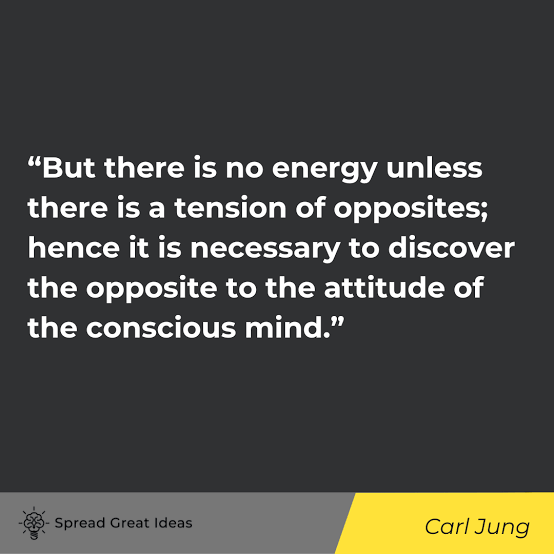
Consider the universe as an immense symphony, where every entity is like a note, contributing to an eternal, harmonious melody. From the most massive stars to the tiniest organisms, everything is in sync, vibrating in tune with the universe. This sense of harmony is a constant, even if it’s not always immediately apparent. However, the human experience often feels at odds with this cosmic harmony. We frequently perceive life through the lens of duality: good vs. evil, happiness vs. sorrow, success vs. failure. Such bifurcations arise primarily from our mental frameworks, shaped by societal norms, personal experiences, and evolutionary predispositions.
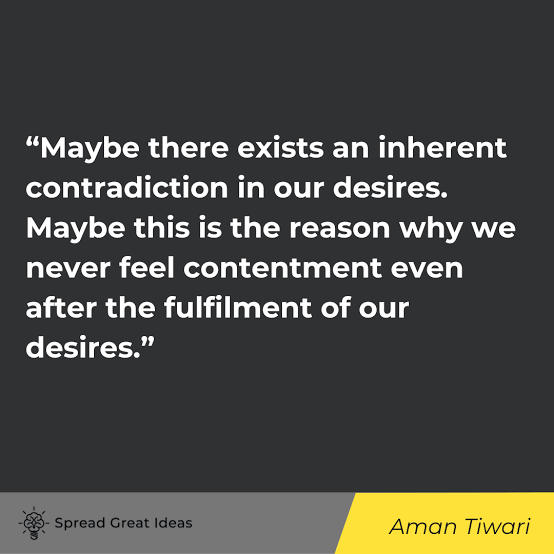
In our evolutionary journey, the human brain developed cognitive systems to categorize, discriminate, and simplify the complex stimuli of the external world, making it digestible and navigable. This cognitive system is a survival tool, enabling us to swiftly identify threats from non-threats, edible food from inedible, and so on. Over time, as societies became more sophisticated, these dualistic mental models began to govern not just our interactions with the environment but also our self-perception, aspirations, and relationships. This dualistic approach further feeds into the illusion of separateness — a feeling that we are distinct from the rest of the universe. Despite being made of stardust and sharing common atomic ancestors with everything around us, we often feel isolated or alienated. Such feelings intensify when we face adversities, leading many to question the harmony and purpose of existence.
Our understanding of freedom is entwined with our perception of duality. True freedom is not just liberation from external constraints but also from internal ones, like prejudices, fears, and limiting beliefs. To break free from the life’s cycle, one needs to reconcile with dualities, recognizing them as constructs rather than inherent truths. As we delve deeper into the framework of existence, we find that duality isn’t inherently detrimental. Instead, it provides contrast, lending depth and dimension to our experiences. Just as the contrasting strokes of a painting give it life and depth, the dualities of our lives add vibrancy and richness to our existence. Without dark, there would be no understanding of light; without sorrow, the true essence of joy would remain unknown.
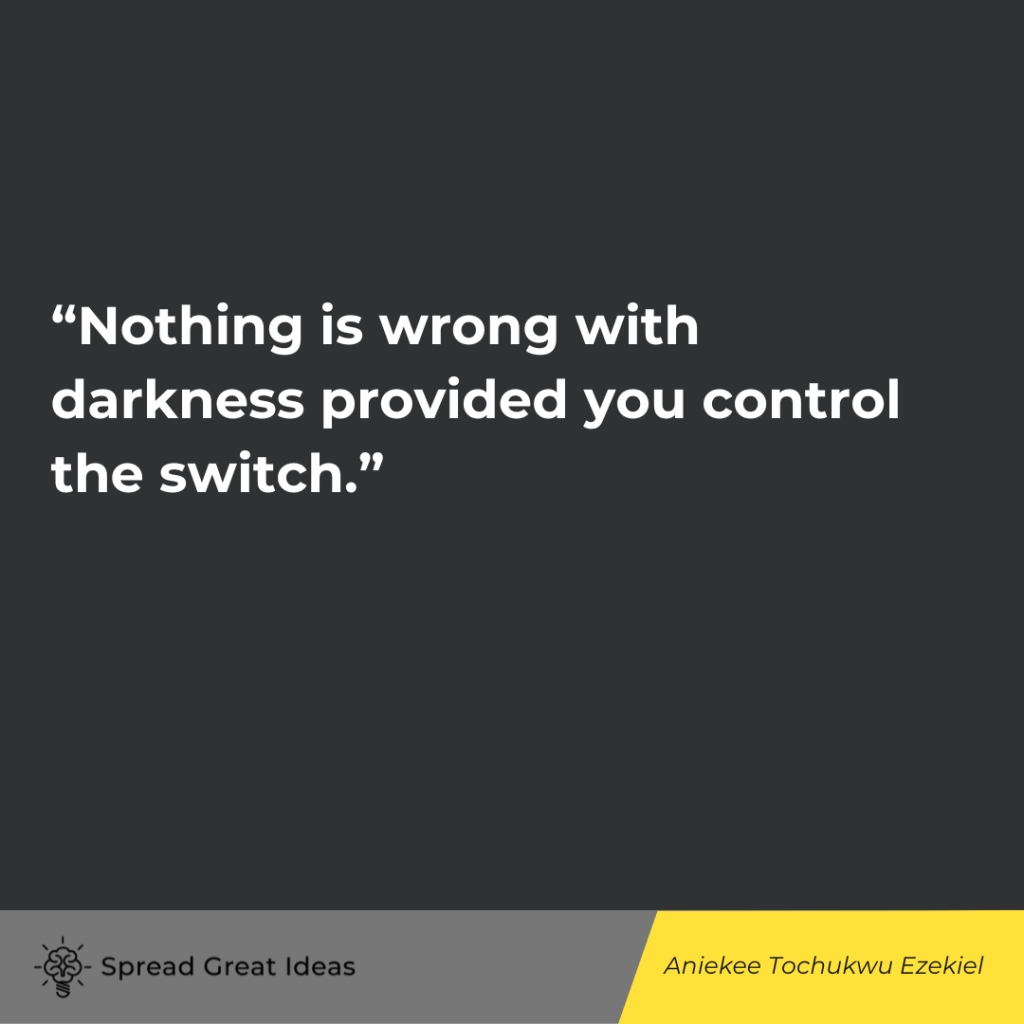
Much of our attachment to duality stems from societal and cultural conditioning. From childhood, we’re taught to label and categorize experiences: winning is good, losing is bad; happiness is desirable, sadness is not. Over time, these labels solidify into beliefs, shaping our perceptions and reactions. For instance, consider the universally accepted notion of success. Societal metrics of success often revolve around material wealth, social status, and professional achievements. However, if we were to strip away these conditioned beliefs and look at life through an unfiltered lens, we might find that true success lies in inner contentment, meaningful relationships, and personal growth.
Our fixation on the ephemeral aspects of life — fleeting emotions, transient experiences, and temporal possessions — further entrenches us in the duality trap. In the rush of life, we often overlook the eternal — the unchanging, omnipresent essence that underlies all existence. This essence, often referred to in spiritual contexts as the ‘Self’ or ‘Consciousness,’ remains unaffected by the dualities that play out on the surface.
By connecting with this eternal aspect of ourselves, we begin to view dualities with a sense of detachment. They appear as passing clouds against the vast sky of our existence, impactful in the moment but not defining our eternal essence. Aligning with the duality doesn’t mean becoming passive or indifferent. It means engaging with life wholeheartedly, experiencing every emotion, every high and low, but without letting them dictate our inner state. With heightened awareness, we can navigate the complexities of life with grace, recognizing the transient nature of our experiences.
This awareness doesn’t diminish our experiences but rather enriches them. When we embrace both the joys and sorrows of life with equanimity, we live more fully, more authentically. We begin to see challenges as opportunities for growth, failures as lessons, and successes as moments of gratitude.
Our perception of disharmony is influenced by our thoughts, emotions, and our attachments to outcomes. When we find ourselves in situations we didn’t desire or anticipate, our immediate response is resistance. This resistance, this non-acceptance, creates friction – a perceived disharmony.
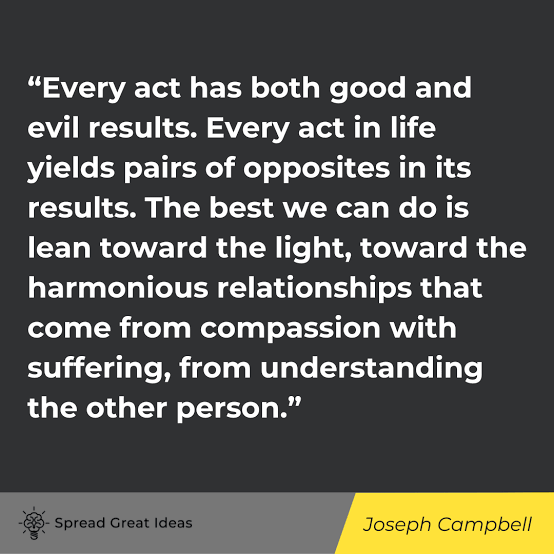
The journey to non-duality is a continuous process of introspection, reflection, and growth. Various spiritual traditions offer paths to transcend duality: the Yogic tradition advocates for meditation and self-inquiry, Buddhism emphasizes mindfulness and compassion, while Taoism teaches the art of flowing with life, embracing both its yin and yang.
The common thread across these traditions is the idea of returning to one’s true nature — a state of pure consciousness, free from the constraints of duality.
Being the Knowing: The Awareness Beyond the Contents of Consciousness
Often, we find ourselves entangled in the web of our thoughts, feelings, and experiences, believing that we are these contents of our consciousness. However, the spiritual teachings propose a profound shift in perspective: you are not the contents of your consciousness; rather, you are the awareness that knows them. This shift invites you to become the knowing.
Understanding Consciousness and Its Contents
Consciousness can be likened to a vast ocean, and the contents of consciousness—our thoughts, feelings, sensations—are like the waves that arise and subside on the surface. We often identify with these waves, believing that we are our thoughts, feelings, and experiences. However, these elements are transient. They come and go, but something fundamental remains—the awareness that perceives them.
Awareness: The Eternal Witness
This awareness, or consciousness itself, is our true nature. It is the silent observer, the eternal witness of all that arises and subsides within us. It is unchanging and ever-present, unlike the transient contents of consciousness.
We can experience this directly in moments of quiet and stillness. When we momentarily disengage from our thoughts and emotions, we find an undercurrent of silent knowing, a sense of presence that is always there, aware of our experience but not entangled in it.
Being the Knowing
“Being the Knowing” means to identify with this underlying awareness rather than the fleeting contents of consciousness. It means to recognize and rest in our true nature as the silent witness of our experience.
This is not a state to be achieved; rather, it is a recognition of what we have always been. It is not about changing or getting rid of our thoughts and feelings. Instead, it is about changing our relationship with them. We let them be, allowing them to arise and subside without identifying with them or getting caught up in their drama.
How to Be the Knowing
Mindfulness and meditation practices can be beneficial in cultivating this shift in perspective. By intentionally focusing our attention on the present moment and observing our thoughts and feelings without judgment or identification, we can begin to disentangle ourselves from the contents of consciousness and rest in our true nature as awareness.
It can also be helpful to regularly remind ourselves of our true nature throughout the day. Whenever we notice that we are getting caught up in our thoughts and feelings, we can gently remind ourselves: “I am the knowing, not the known.”
Recognizing ourselves as the knowing rather than the contents of consciousness can lead to a profound sense of peace and freedom. It enables us to navigate the ups and downs of life with equanimity, knowing that while the contents of our consciousness may change, our true nature as awareness remains ever-present and unchanging. In this realization, we find a deep sense of homecoming—we come to rest in the truth of who we are!!
The Path to True Learning
By fearlessly accepting that we do not know, we open ourselves to the process of true learning and the profound insights that emerge from a humble and curious mind.
The Fear of Not Knowing
In our modern society, there is often an unspoken pressure to always have answers, to be knowledgeable, and to display competence in various aspects of life. This expectation can create a fear of admitting that we do not know, leading us to either feign knowledge or avoid situations where our ignorance might be exposed. However, we should confront this fear and embrace the reality that we do not know, for it is only in this acknowledgment that true learning can begin.
The Power of Humility and Curiosity
By humbly accepting that we do not know, we open ourselves to the possibility of learning, exploration, and discovery. This attitude of curiosity enables us to approach life with an open mind, free from preconceived notions and the constraints of conditioned thinking.
The mind that does not know and knows that it does not know is an open, clear, innocent mind. It can learn. It is eager to learn. It is not burdened with knowledge.
The Process of True Learning
When we relinquish the fear of not knowing and embrace our innate curiosity, we embark on a journey of true learning. This process involves observation, inquiry, and a willingness to question our own beliefs, assumptions, and conditioning. By cultivating a mind that is open and receptive to new experiences, we create a fertile ground for understanding and self-discovery.
To learn is to deny, negate, put aside everything that you know. Otherwise, you are not learning. If you keep on repeating what you have learned from the past, there is no learning at all.
The Path to Wisdom and Self-Discovery
As we acknowledge and accept our lack of knowledge, we begin to free ourselves from the limitations of the thinking mind and open the door to profound wisdom and self-discovery. By embracing the unknown and cultivating an attitude of curiosity, we align ourselves with the natural unfolding of life, allowing for a deeper understanding of ourselves and the world around us.
 Abhishek Fanse