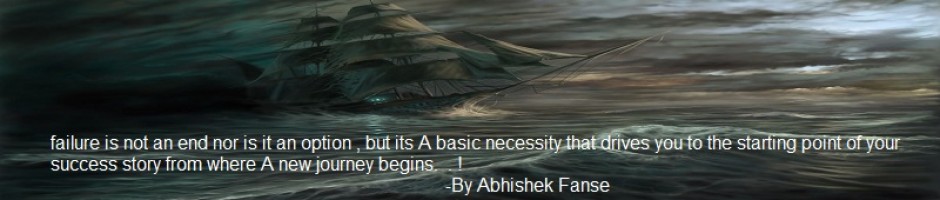
Is harmony defined by us is really harmonious ?
The universe operates on a balance. Dualities like light and dark, joy and sorrow, and so on, are not in contention with each other but rather two sides of the same coin. They provide context and meaning. It’s akin to understanding that one cannot truly appreciate light without having known darkness. Our existence is enigmatic, where a myriad of elements interplay in a vast cosmic dance. Every action, no matter how minute, sends ripples across the fabric of the universe. Such is the interconnectedness and oneness that defines the cosmos. But amidst this vastness, we humans grapple with the age-old questions: Why are we here? Why do we feel disconnected when everything is intrinsically connected? And, why is our life, despite being a part of this vast universe, so often defined by duality?
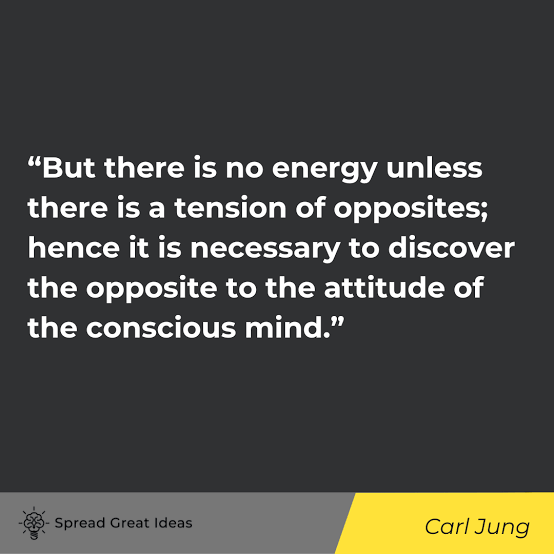
Consider the universe as an immense symphony, where every entity is like a note, contributing to an eternal, harmonious melody. From the most massive stars to the tiniest organisms, everything is in sync, vibrating in tune with the universe. This sense of harmony is a constant, even if it’s not always immediately apparent. However, the human experience often feels at odds with this cosmic harmony. We frequently perceive life through the lens of duality: good vs. evil, happiness vs. sorrow, success vs. failure. Such bifurcations arise primarily from our mental frameworks, shaped by societal norms, personal experiences, and evolutionary predispositions.
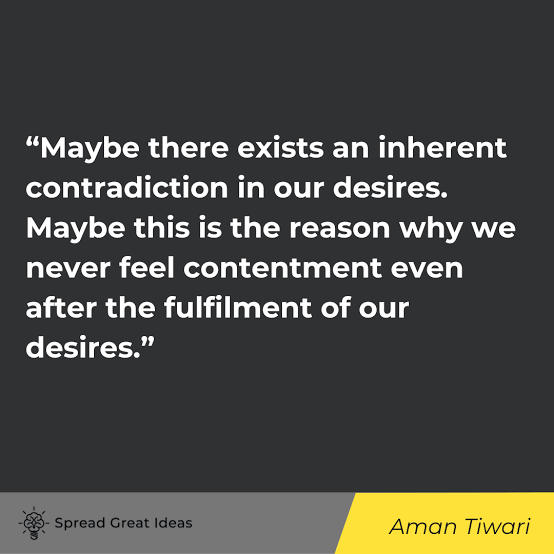
In our evolutionary journey, the human brain developed cognitive systems to categorize, discriminate, and simplify the complex stimuli of the external world, making it digestible and navigable. This cognitive system is a survival tool, enabling us to swiftly identify threats from non-threats, edible food from inedible, and so on. Over time, as societies became more sophisticated, these dualistic mental models began to govern not just our interactions with the environment but also our self-perception, aspirations, and relationships. This dualistic approach further feeds into the illusion of separateness — a feeling that we are distinct from the rest of the universe. Despite being made of stardust and sharing common atomic ancestors with everything around us, we often feel isolated or alienated. Such feelings intensify when we face adversities, leading many to question the harmony and purpose of existence.
Our understanding of freedom is entwined with our perception of duality. True freedom is not just liberation from external constraints but also from internal ones, like prejudices, fears, and limiting beliefs. To break free from the life’s cycle, one needs to reconcile with dualities, recognizing them as constructs rather than inherent truths. As we delve deeper into the framework of existence, we find that duality isn’t inherently detrimental. Instead, it provides contrast, lending depth and dimension to our experiences. Just as the contrasting strokes of a painting give it life and depth, the dualities of our lives add vibrancy and richness to our existence. Without dark, there would be no understanding of light; without sorrow, the true essence of joy would remain unknown.

Much of our attachment to duality stems from societal and cultural conditioning. From childhood, we’re taught to label and categorize experiences: winning is good, losing is bad; happiness is desirable, sadness is not. Over time, these labels solidify into beliefs, shaping our perceptions and reactions. For instance, consider the universally accepted notion of success. Societal metrics of success often revolve around material wealth, social status, and professional achievements. However, if we were to strip away these conditioned beliefs and look at life through an unfiltered lens, we might find that true success lies in inner contentment, meaningful relationships, and personal growth.
Our fixation on the ephemeral aspects of life — fleeting emotions, transient experiences, and temporal possessions — further entrenches us in the duality trap. In the rush of life, we often overlook the eternal — the unchanging, omnipresent essence that underlies all existence. This essence, often referred to in spiritual contexts as the ‘Self’ or ‘Consciousness,’ remains unaffected by the dualities that play out on the surface.
By connecting with this eternal aspect of ourselves, we begin to view dualities with a sense of detachment. They appear as passing clouds against the vast sky of our existence, impactful in the moment but not defining our eternal essence. Aligning with the duality doesn’t mean becoming passive or indifferent. It means engaging with life wholeheartedly, experiencing every emotion, every high and low, but without letting them dictate our inner state. With heightened awareness, we can navigate the complexities of life with grace, recognizing the transient nature of our experiences.
This awareness doesn’t diminish our experiences but rather enriches them. When we embrace both the joys and sorrows of life with equanimity, we live more fully, more authentically. We begin to see challenges as opportunities for growth, failures as lessons, and successes as moments of gratitude.
Our perception of disharmony is influenced by our thoughts, emotions, and our attachments to outcomes. When we find ourselves in situations we didn’t desire or anticipate, our immediate response is resistance. This resistance, this non-acceptance, creates friction – a perceived disharmony.

The journey to non-duality is a continuous process of introspection, reflection, and growth. Various spiritual traditions offer paths to transcend duality: the Yogic tradition advocates for meditation and self-inquiry, Buddhism emphasizes mindfulness and compassion, while Taoism teaches the art of flowing with life, embracing both its yin and yang.
The common thread across these traditions is the idea of returning to one’s true nature — a state of pure consciousness, free from the constraints of duality.
Navigating the Tides of Time
In this blog, we will explore the intricate web of fears that arise from our attachment to the past and preoccupation with the future. By delving into these fears, we can gain a deeper understanding of their origins and develop the tools to free ourselves from their grip, fostering a greater sense of presence and harmony in our lives.
Fears Stemming from the Past
- Regret: Regret arises from the belief that we have made mistakes or failed to seize opportunities in the past. Dwelling on these perceived missteps can lead to a persistent sense of guilt, shame, and self-blame.
- Unresolved Trauma: Past traumas, whether physical, emotional, or psychological, can create lingering fears that continue to haunt us long after the events themselves have passed. These unresolved issues can manifest as anxiety, depression, or even phobias.
- Fear of Repeating Past Mistakes: The concern that we may fall into old patterns of behavior or repeat past mistakes can create an underlying sense of unease and inhibit our ability to embrace new experiences with confidence and openness.
- Fear of Rejection: Past experiences of rejection, whether in relationships, social situations, or professional contexts, can lead to a lingering fear of being rejected again. This may result in self-imposed isolation, reluctance to form new connections, or difficulty trusting others.
- Fear of Abandonment: If one has experienced abandonment in the past, either emotionally or physically, the fear of being abandoned again can impact future relationships and interactions. This fear may manifest as clinginess, insecurity, or a constant need for reassurance.
- Fear of Judgment: Past experiences of being judged or criticized can foster a fear of judgment from others. This can lead to self-consciousness, a preoccupation with appearances, or excessive people-pleasing behaviors.
- Fear of Inadequacy: A history of feeling inadequate or unworthy, often stemming from childhood experiences, can lead to a persistent fear that one is not good enough. This fear can manifest in various aspects of life, such as relationships, work, or personal growth, and can inhibit one’s ability to fully embrace new experiences or challenges.
- Fear of Disapproval: Past experiences of disapproval, whether from family, friends, or authority figures, can result in a lingering fear of not living up to others’ expectations. This fear can lead to excessive conformity, a reluctance to express one’s true thoughts and feelings, or difficulty asserting oneself in various situations.
Fears Stemming from the Future
- Fear of Failure: The worry that we may not achieve our goals or meet the expectations of others can create a sense of pressure and anxiety that stifles our ability to take risks and pursue our dreams.
- Fear of Loss: The apprehension that we may lose something or someone dear to us, such as a loved one, a job, or our health, can generate a pervasive sense of dread that colors our experience of the present.
- Fear of Change: The anxiety that accompanies the uncertainty of change and the potential for upheaval and instability can make us resistant to embracing new opportunities and experiences.
- Fear of the Unknown: The general unease that arises from our inability to predict or control future events can create a pervasive sense of apprehension and vulnerability.
- Fear of Success: Paradoxically, some people fear success, as they worry about the increased responsibility, expectations, or changes in their life that may accompany it. This fear can manifest as self-sabotage, procrastination, or a reluctance to pursue goals wholeheartedly.
- Fear of Aging: The natural process of aging can be a source of anxiety for many, as they contemplate the potential decline of their physical or cognitive abilities, as well as the prospect of facing their own mortality. This fear can lead to a preoccupation with youth, a resistance to change, or difficulty embracing the present moment.
- Fear of Illness: The uncertainty of one’s health can be a significant source of future-related fear. The prospect of developing a serious illness, experiencing chronic pain, or facing a decline in overall well-being can create a sense of unease and heightened vigilance around one’s health.
- Fear of Loneliness: The future can hold uncertainties around one’s social connections, and the fear of loneliness can arise from the prospect of losing close relationships, having difficulty forming new connections, or facing significant life transitions that may lead to feelings of isolation.
- Fear of Missing Out (FOMO): In an increasingly interconnected world, many people experience the fear of missing out on experiences, opportunities, or social events. This future-oriented fear can lead to a constant need for stimulation, a preoccupation with social media, or difficulty enjoying the present moment.
Navigating the Tides of Time: Strategies for Overcoming Fear
- Cultivate Mindfulness: Practice mindfulness to anchor yourself in the present moment, reducing the tendency to dwell on past regrets or future uncertainties. This helps to experience life more fully and with greater clarity.
- Foster Self-Awareness: Developing self-awareness can help you recognize and acknowledge your fears, enabling you to confront and work through them, rather than allowing them to dictate your life.
- Embrace Acceptance: Learning to accept the inherent uncertainty of life allows you to let go of the need for control and embrace the flow of existence with greater ease and grace.
- Live with Intention: Focus on the choices and actions that are within your control, releasing attachment to specific outcomes or future scenarios. Living with intention allows you to navigate life’s uncertainties with greater resilience and adaptability.
 Abhishek Fanse