Honesty and Dishonesty: Beyond the surface
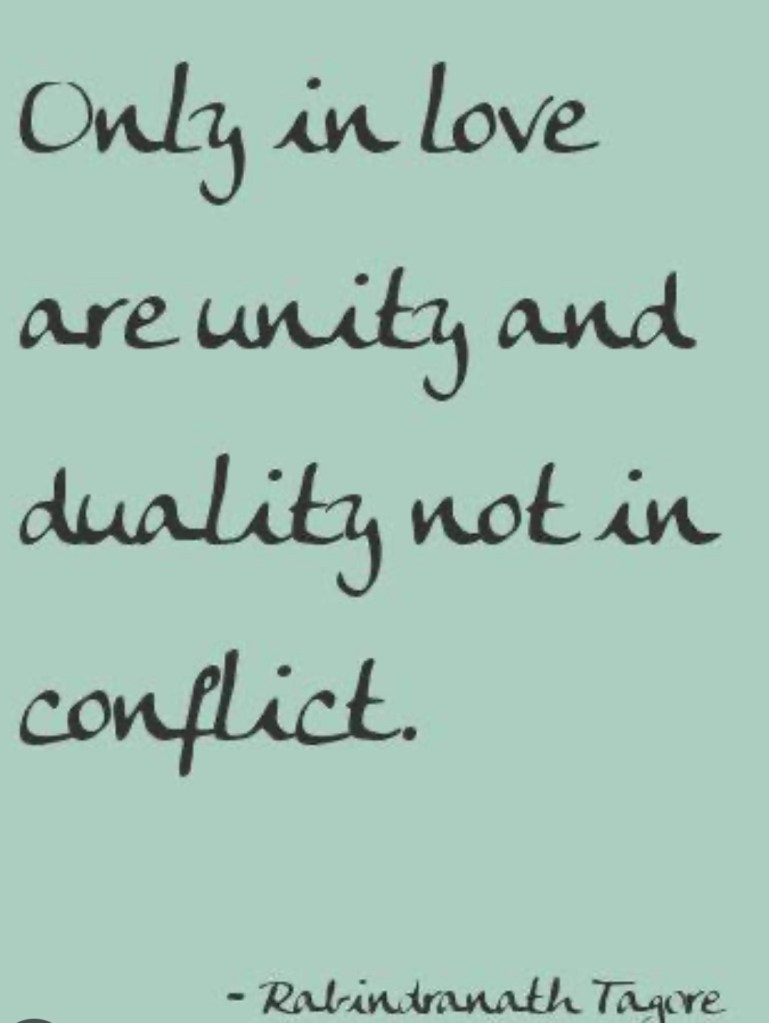
The concepts of honesty and dishonesty, fidelity and infidelity, often evoke strong reactions from people, shaped by moral, cultural, and societal conditioning. These binaries dominate much of human interaction, creating judgments about what is right and wrong, what is ethical and unethical. However, when we delve deeper into these ideas, we begin to see that these distinctions are part of a broader illusion of duality—a construct that humanity has built over millennia to navigate the complexities of life.
The very act of labeling actions as “honest” or “dishonest,” “faithful” or “unfaithful” stems from a worldview that is bound by dualistic thinking. In such a worldview, life is divided into opposites—good and bad, right and wrong, true and false. Yet, as we explore the nature of consciousness and presence, it becomes clear that these dichotomies are not fixed, but rather fluid, shaped by the limited perceptions of the human mind.
At the heart of this inquiry lies the question: what happens when one operates with complete presence, in a state of being where the mind is free from the constructs of past and future, of moral judgments, and of conditioned responses? In such a state, does the very notion of honesty and dishonesty, fidelity and infidelity, dissolve? Can we transcend the dualities that dominate our understanding of reality? And if so, what does that reveal about the nature of the “real world” we think we live in?
In this exploration, we will dive deep into these questions, dissecting the nature of honesty, dishonesty, fidelity, and infidelity, and ultimately aiming to dissolve the myths and illusions that surround them.
From an early age, we are taught that honesty is a virtue, a moral standard by which we should live. To be honest is to tell the truth, to be transparent, and to act in alignment with what is considered ethical. Dishonesty, on the other hand, is seen as a vice—deceiving, hiding the truth, or acting in ways that betray trust. Society has built intricate structures around these concepts, embedding them in legal systems, educational frameworks, and interpersonal relationships.
However, what we often fail to recognize is that both honesty and dishonesty are constructed within the realm of thought. They are ideas that arise from the human mind, shaped by cultural and historical contexts. What may be considered honest in one culture could be viewed as dishonest in another. For instance, in some cultures, withholding certain information is seen as a way to protect others, while in other societies, it may be seen as deceit. Thus, honesty and dishonesty are not objective truths; they are relative concepts that depend on context, perception, and belief systems. This recognition opens the door to questioning the very foundations of these moral judgments.
Honesty and dishonesty, as we commonly understand them, are rooted in dualistic thinking—the division of the world into opposites. Duality, in this sense, is a mental construct that allows us to navigate the complexities of life. It simplifies the world into categories of right and wrong, true and false, and gives us a sense of control over the moral and ethical landscape we inhabit.
But this division is inherently limiting. It creates conflict, both internally and externally, because it forces us to align with one side of the dichotomy and reject the other. When we view honesty and dishonesty as fixed opposites, we become trapped in a cycle of judgment, always measuring ourselves and others against these standards.
In relationships, fidelity is often equated with loyalty, faithfulness, and commitment. To be faithful is to remain true to one’s partner, to honor the bond of trust that has been established. Infidelity, by contrast, is seen as a betrayal—a breaking of that trust, a violation of the commitment made. These concepts are deeply ingrained in societal norms and expectations, particularly in romantic and marital relationships.
However, like honesty and dishonesty, fidelity and infidelity are also socially constructed. The very notion of what it means to be faithful or unfaithful varies across cultures and historical periods. In some societies, monogamy is seen as the ultimate expression of fidelity, while in others, polygamy or open relationships are accepted norms. The rules that govern fidelity are not universal; they are shaped by cultural, religious, and personal beliefs.
At the heart of fidelity and infidelity lies the idea of ownership—ownership of another person’s body, mind, and emotions. When we commit to a relationship, particularly in the context of marriage or long-term partnership, there is often an implicit expectation that we “own” each other in some way. This ownership manifests in the form of expectations about exclusivity, loyalty, and the boundaries of the relationship.
But this notion of ownership is illusory. No one can truly own another person, and attempting to do so creates a sense of possessiveness that is rooted in fear and insecurity. Fidelity, when seen through the lens of ownership, becomes a way of controlling the other person, of ensuring that they remain within the boundaries we have set for them.
True love is not possessive or conditional. When we love someone, we do not seek to control them or to bind them to our expectations. Instead, we allow them the freedom to be who they are, without judgment or restriction. This kind of love transcends the dualities of fidelity and infidelity because it is not based on ownership or attachment.
Infidelity, when it occurs, is often seen as the ultimate betrayal. It brings up feelings of hurt, anger, and rejection. But from a deeper perspective, infidelity can be understood as a mirror—an opportunity to examine the underlying dynamics of the relationship and the expectations that have been placed on it.
When someone is unfaithful, it is not necessarily a reflection of their character or moral standing. Rather, it can be a reflection of the unmet needs and desires that exist within the relationship. These unmet needs may be emotional, physical, or psychological, and they often stem from a lack of true connection or understanding between partners. Infidelity, in this sense, is not the cause of the problem but a symptom of deeper issues that have been ignored or suppressed. It forces us to confront the illusions we have built around relationships—the illusion of ownership, the illusion of permanence, and the illusion of control.
To operate with 100% presence in the moment is to be fully aware, fully engaged, and fully alive in the here and now. It means to live without the interference of past conditioning or future projections, to see reality as it is, without the filters of judgment, expectation, or attachment. Presence is the state of pure awareness, where the mind is not divided into opposites, and the self is not fragmented by thought. When we are truly present, the concepts of honesty and dishonesty, fidelity and infidelity, dissolve. In the state of presence, there is no division between right and wrong, true and false, because these are constructs of the mind. Presence transcends duality and brings us into direct contact with reality as it is—without the distortions of thought or emotion.
In the state of presence, honesty and dishonesty lose their meaning. Honesty is often defined as telling the truth, but what is truth? Truth, in its most profound sense, is not a fixed concept; it is fluid, dynamic, and constantly changing. When we are present, we do not cling to fixed ideas of truth or falsehood; we simply respond to the reality of the moment. Dishonesty, in this sense, is not about lying or deceiving others. It is about being out of alignment with the present moment—about acting from a place of conditioning, fear, or attachment, rather than from a place of awareness. When we are fully present, there is no need for dishonesty because we are in harmony with the flow of life. We do not need to manipulate or control the situation; we simply respond with clarity and integrity.
The concept of fidelity, too, dissolves when one operates in the present moment with full awareness. Fidelity, in its conventional sense, is often tied to promises, contracts, and the expectation of a continuous future. In relationships, it becomes a pledge to behave in certain ways over time, to stay within defined boundaries, and to remain “true” to another person. But these pledges are built upon mental constructs and future projections—on an imagined continuity that is bound by time and expectation.
When one is fully present, these future projections lose their weight, and fidelity is no longer about promises made for tomorrow but about the authenticity of being in relationship here and now. In presence, fidelity is not something forced or negotiated, but an expression of truth in the moment. One cannot be unfaithful in presence because one is not operating from a divided mind that clings to past commitments or fears future betrayals. Instead, there is simply an unfolding of truth as it is, unconditioned by the past and unconcerned with future outcomes.
Infidelity, often seen as the antithesis of fidelity, also loses its traditional meaning when approached from a place of presence. Infidelity typically arises from dissatisfaction, a feeling that something is lacking in the current relationship or situation. This dissatisfaction propels one to seek fulfillment elsewhere, outside the bounds of the established relationship. But what is at the root of this dissatisfaction? Often, it is the mind’s attachment to desires, projections, and unexamined needs that fuel the urge to look beyond the present relationship. In presence, there is no room for such projections. The mind, when it is fully attuned to the present, does not dwell on what is lacking or seek fulfillment outside of what is unfolding in the here and now. When one is present with a partner or in any relationship, the relationship is no longer bound by the rigid labels of fidelity and infidelity. There is simply a connection, a flow of being, that is not controlled by societal norms or personal insecurities. In this way, presence dissolves the very constructs that give rise to infidelity, not by imposing rules or boundaries, but by making them irrelevant.
Needs – Fulfilment or imaginary?
At its core, ‘need’ represents a perceived lack within our lives. Whether it’s a need for something material like food or shelter, or something psychological such as love or acceptance, every need suggests that something essential is missing. Desire, according to Buddhist philosophy, leads to suffering because it perpetuates a state of lacking and grasping. When needs arise, they disturb our peace by suggesting that our current state is insufficient.
When a need is fulfilled, it confirms its existence as something genuine. For example, the need for nourishment is affirmed as real when eating relieves the pangs of hunger. Here, the need aligns with a fundamental requirement for survival. Conversely, if a need fades away without being fulfilled, one might argue it was never a true need but rather a transient desire. This observation is particularly relevant in the context of emotional or psychological needs, where distinguishing between deep-seated necessities and superficial wants becomes complex.

The paradox lies in the dual nature of needs as both real and illusory. On one hand, certain needs are indisputably real, as their fulfillment directly pertains to survival and well-being. On the other, many needs, when scrutinized, reveal themselves as constructs of the mind, shaped by societal, cultural, and personal expectations and conditioning. Stoic philosophy, for instance, teaches the value of distinguishing between what we can control and what we cannot, urging a detachment from external desires and an acceptance of what is. This detachment is not about suppression of need but rather a profound understanding of the ephemerality of external conditions.
Existentially, needs can be viewed as anchors that give meaning to our lives. Yet, this meaning is often predicated on the continual pursuit of fulfillment, which can lead to an endless cycle of desire and disappointment. Spiritually, transcending needs can be seen as a path to enlightenment, where one achieves a state of contentment and unity with all existence, free from the dualities of lack and fulfillment. Exploring the concept of need across both living and non-living entities broadens our understanding of the fundamental nature of existence. In living beings, needs are typically biologically or psychologically driven, manifesting as impulses towards survival, reproduction, and social bonding. In contrast, the ‘needs’ of non-living entities—such as the need for maintenance or preservation—are attributed by human perspectives, often reflecting our own values or necessities imposed upon objects or systems.

When a need vanishes without fulfillment, it raises profound questions about its existence. Was it a real need, or merely a temporary desire? This question aligns with the philosophical inquiry into the nature of being and non-being. In metaphysical terms, the disappearance of a need without fulfillment suggests that it may have been a contingent, not a necessary state. Contingent needs are dependent on specific conditions and perceptions, which can change over time and context, leading to the dissolution of the perceived need. The journey towards fulfilling a need is often fraught with turmoil and dissatisfaction. This chaos, particularly evident in the human experience, stems from the tension between current states of lack and the anticipated states of fulfillment. Psychologically, this turmoil can be seen in the frustration, anxiety, and even despair that arise in the pursuit of unmet needs. The existential tension here is the human confrontation with limitation and imperfection.
Philosophically, the condition of being ‘in need’ can be seen as a fundamental aspect of the human condition. Existential philosophers have long grappled with the notion of lack as a core component of existence. Jean-Paul Sartre, for instance, discussed how human consciousness is defined by a lack—being “for-itself” implies a constant striving towards an elusive “in-itself,” a state of being that remains perpetually out of reach, creating a perpetual state of desire and resultant existential void.
From another perspective, the chaos and discomfort experienced in the face of unmet needs can also be transformative. This aligns with the concept of “creative destruction” in economic theory, where old structures must be destroyed to make way for new, potentially more adaptive arrangements. Psychologically, enduring the discomfort of unfulfilled needs can lead to personal growth, resilience, and a deeper understanding of oneself and one’s true priorities. In spiritual traditions, particularly those influenced by non-dualistic philosophies, the ultimate aim is often described as transcending need altogether. This transcendence is not about achieving a state where no physical or psychological needs exist, but rather reaching a state of consciousness where one is no longer enslaved by those needs. This state is characterized by a profound inner peace and contentment, where external conditions no longer dictate one’s inner state. Thus, the existence of need, its fulfillment, or its vanishing without impact each carry significant implications. These phenomena invite us to reflect on the ephemeral and often illusory nature of needs. They challenge us to consider whether true fulfillment comes from satisfying every need or from cultivating a state of being that is free from the tyranny of need.

As we delve further into the dynamics of need and its fulfillment, it becomes crucial to distinguish between short-term satisfaction and long-term fulfillment. Immediate resolution of needs often brings temporary relief, but the underlying drivers—whether emotional, psychological, or spiritual—may still persist. This introduces a cyclical pattern where fulfilled needs may resurface or evolve into new desires, suggesting that the root of need is not merely in the external lack but in a deeper, internal void. Existentially, the concept of need pushes individuals to confront their freedom and responsibility. Jean-Paul Sartre’s idea of existential freedom suggests that while we are free to pursue our needs, we are also responsible for the choices we make in response to these needs. This freedom is double-edged; it empowers but also burdens us with the responsibility of discernment and decision-making, highlighting the existential challenge of navigating needs without clear, predefined paths. The pursuit of fulfilling all needs can create an illusion that perpetual satisfaction is attainable. This illusion can lead to constant striving and dissatisfaction, as each fulfilled need often gives rise to new desires. Philosophically, this reflects the Buddhist teaching on the nature of desire and suffering. Recognizing this cycle can lead to a profound existential and spiritual inquiry: Is there an end to need, or is the human condition inherently defined by endless desire?
In spiritual traditions, particularly those advocating non-attachment and detachment, the ultimate freedom is described as a state of needlessness. This does not imply a lack of engagement with the world but rather an engagement that is free from the compulsion of needs. Achieving such a state is often described as enlightenment, where one exists in complete harmony with the universe, undisturbed by individual desires and aversions. One of the central paradoxes in the realm of need is the tension between dependence and independence. On one hand, fulfilling basic needs often requires interdependence—relying on others and the environment, which seemingly contradicts the ideal of self-sufficiency. On the other hand, the more we fulfill certain needs, the more autonomous we may become, capable of pursuing higher, more abstract needs such as self-actualization. Yet, this pursuit can lead back to new dependencies, such as the need for validation or intellectual stimulation, illustrating a cyclical return to interdependence.
Needs emerge from a sense of lack or emptiness, driving us to seek fulfillment to feel complete. Paradoxically, this quest for completion through fulfilling needs can deepen the sense of emptiness, as each fulfillment often reveals new voids. This reflects the Buddhist notion that desire (and its fulfillment) inherently leads to suffering due to the impermanent nature of all conditioned phenomena. Thus, the very act of seeking wholeness through external fulfillment paradoxically perpetuates emptiness. Another paradox lies in the relationship between desire and liberation. In many spiritual traditions, liberation is attained through the cessation of desire. However, the initial movement towards liberation itself arises from a desire—the desire to be free from suffering. This presents a fundamental paradox: one must harness desire to ultimately transcend all desires. The path to liberation, therefore, involves navigating through desires in a way that gradually diminishes their power over one’s state of being. The pursuit of self-improvement is often driven by the recognition of one’s needs and deficiencies. This pursuit, intended to overcome limitations, paradoxically reaffirms those limitations by constantly highlighting areas of lack. The more one engages in self-improvement, the more one might become aware of further imperfections, potentially leading to a never-ending cycle of self-enhancement and the persistent sense of being ‘not enough.’
The ultimate understanding is that distinctions between need and fulfillment are illusory—both are manifestations of the same underlying reality, perceived differently due to mental conditioning and dualistic thinking. Here, the paradox is that need and its resolution are not truly separate; they are two sides of the same coin. Recognizing this non-duality can lead to a profound shift in how one experiences need and fulfillment, seeing them not as opposing forces but as interconnected aspects of life’s unfolding.
Depths of Hurt: An Intriguing Emotion
At its core, hurt is an emotional response to a perceived loss or violation. This loss can be tangible, such as the loss of a loved one, or intangible, like the loss of respect or love. The perception of this loss is crucial; it’s not the objective situation that determines hurt, but how one interprets and internalizes it. The origins of hurt can be traced back to our earliest human experiences. As infants, we are utterly dependent on others for our survival, leading to a deep-rooted need for attachment and acceptance. This need, while essential for survival, also becomes the breeding ground for hurt. When our expectations of support, love, or acknowledgment are unmet, we experience hurt.
Hurt often manifests differently in personal and professional contexts, yet the underlying mechanics are surprisingly similar. In personal relationships, hurt is often more directly linked to emotional bonds and expectations of love, loyalty, and understanding. In professional settings, while the emotional stakes may seem lower, the hurt can still be profound. It often stems from unmet expectations regarding respect, recognition, or the outcome of our efforts. The statement “don’t take it personally” in professional environments is an acknowledgment of this complexity. It attempts to draw a boundary between the personal self and the professional role. Yet, this separation is often not as clear-cut as it seems. Our professional lives are an extension of our personal selves; the values, aspirations, and efforts we put into our work are deeply personal. Thus, when we face criticism, rejection, or failure at work, it can still impact our personal self-esteem and sense of worth.

The hurt one experiences is often a reflection of internal expectations and self-perception. When others do not meet our expectations, or when we fail to meet our own, we experience a sense of loss. This loss is not just about the external situation but also about our internal narrative. We construct stories about who we are and how the world should respond to us. When reality diverges from these stories, we feel hurt. Understanding hurt requires dissecting the dichotomy between external causes and internal reactions. Is hurt caused by others, or is it self-inflicted? The answer is nuanced. Others can act as triggers, but the actual experience of hurt is an internal process. It is our interpretation of events, filtered through our personal beliefs and past experiences, that generates hurt. human experience. We are beings of desire and expectation, living in a world that is constantly changing and often unpredictable. This disconnect between our desires and reality is a fertile ground for hurt. However, this inevitability doesn’t imply helplessness. It requires a shift from external validation to internal self-acceptance, and from rigid expectations to flexible aspirations. This journey towards resilience is not about becoming indifferent or uncaring, but about cultivating a grounded sense of self that can navigate the ups and downs of life with equanimity.
Developmental psychology, for instance, sheds light on how early experiences shape our vulnerability to hurt. Childhood, where the foundation of our self-esteem and worldviews are formed, significantly influences how we perceive and react to potential hurts in later life. Attachment suggests that our early bonding experiences with caregivers form templates for future relationships. Secure attachments lead to resilience, while insecure attachments can heighten our sensitivity to rejection and loss, predisposing us to deeper hurt.
Hurt also stems from conflicts of human existence – our search for meaning in an indifferent universe, the realization of our freedoms and limitations, and the ultimate confrontation with our mortality. Our self-perception plays a critical role in this process. If we perceive ourselves as capable and deserving, failing to meet expectations can lead to self-criticism and hurt. Conversely, if we see ourselves as unworthy, we may internalize external negative outcomes as confirmations of this belief, perpetuating cycles of hurt and low self-esteem.
Let us take a simple example where you feel hurt due to a longing for more time and attention from a loved one, even though you recognize they are doing their best. At the heart of your experience lies a paradox: you have an expectation (desiring more time and attention) and simultaneously an understanding (knowing your loved one is doing their best). This dichotomy is not just a matter of conflicting thoughts, but a reflection of the complex nature of human needs and empathy. On one hand, your need for time and attention is genuine – a fundamental aspect of human relationships where such connections and affirmations are essential for emotional bonding and fulfillment. On the other hand, your empathetic understanding of your loved one’s circumstances shows a depth of maturity and compassion. Feeling hurt in this context may arise from an unmet need, which is central to your emotional wellbeing. It’s important to recognize that such needs are not just whimsical desires; they are integral to our sense of connection and belonging. When these needs are not fully met, even in the presence of understanding and rationalization, it creates an emotional void, often experienced as hurt. The consequences of this paradox can be profound. When the fear of burdening outweighs the need for communication, individuals might choose to suppress or hide their feelings. This suppression, while it might seem to maintain harmony in the short term, can lead to several negative outcomes like emotional distance, resentment or misunderstanding. However, this need for emotional expression often collides with an equally powerful force – the fear of overburdening others. This fear stems from a place of empathy and concern, where we become acutely aware of the other person’s potential struggles and challenges. It also arises from our own vulnerabilities; the fear of being seen as needy, weak, or burdensome. Moreover, there’s an underlying concern about the dynamics of the relationship itself – the worry that being too open about our troubles or desires might alter the equilibrium of the relationship, potentially leading to conflict, distance, or discomfort.
At the heart of this paradox is our self-concept, the multifaceted perception we hold of ourselves. This self-concept is not static; it is shaped by our experiences, beliefs, and the feedback we receive from our environment. When we consider communicating our innermost thoughts and feelings, we are also negotiating with our self-concept. Are we someone who burdens others? Are we worthy of being heard and understood? These questions reflect deeper insecurities and beliefs about our worthiness and role in our relationships. The fear of being a burden often stems from a vulnerable place in our self-concept, where we doubt our value in the eyes of others. The complexity of this paradox also lies in the dynamic nature of human relationships. Each relationship we form is a unique intersection of personalities, histories, and expectations. In some relationships, there may be an established pattern of one person being the caregiver and the other the receiver. Attempting to reverse or alter these roles by expressing one’s own vulnerabilities can feel disruptive and fraught with uncertainty. There’s also the aspect of reciprocity – the balance of give and take. In healthy relationships, this balance is fluid and flexible, but the fear of disturbing this balance can make the act of communication seem daunting.
Psychologically, this paradox is intersecting with our deepest fears and vulnerabilities. It often triggers core issues related to self-worth, rejection, and abandonment. When we contemplate sharing our burdens, we are not just sharing a specific problem or feeling; we are also, on a deeper level, testing our acceptability and worthiness in the eyes of others. The fear that our vulnerabilities might make us less worthy of love or respect can be a powerful deterrent to open communication…
Choice “Paralysis“
A choice implies that there is an alternative, and with every alternative comes the weight of consequences, perceived or real.
You speak of a ‘neutral’ stand, but let’s investigate what that really means. In reality, the idea of a neutral stance is a contradiction in terms. The very act of choosing neutrality is in itself a choice, made in opposition to other possible choices. So, the notion of being ‘neutral’ is inherently paradoxical because it cannot exist without the conditions that make it a choice to begin with.
For example, When you agree to a certain dosage of medication, you exercise control by making an informed decision. However, you also surrender control to the effects of that dosage, which may not be entirely predictable. This brings emotional complexity into play: the comfort of taking action (choosing the dosage) juxtaposed against the uncertainty of outcome. When we agree to disagree, we are on the contrary acknowledging that a middle ground is unreachable, yet we’re finding a sort of middle ground in that very acknowledgment. The challenge lies in our psychological need for validation and agreement, which often feels at odds with the more rational understanding that it’s perfectly okay for different viewpoints to coexist. We often fail to agree to disagree because our conditionings, our egos, don’t allow us to let go without a ‘win’ or a ‘loss.’
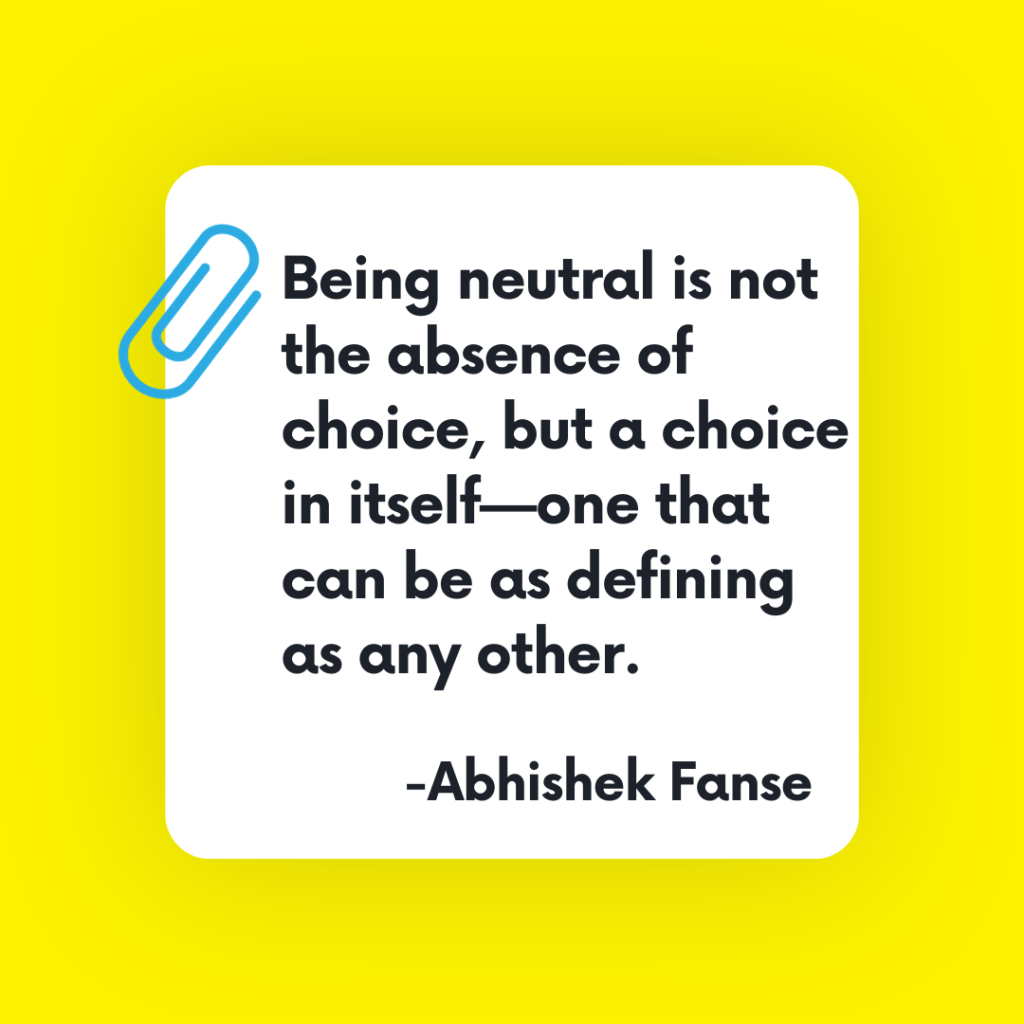
Every choice, by definition, is a rejection of its alternative. Therefore, choices are always relative, biased, and limited by the options that exist. In that sense, a choice cannot be independent because it is defined by the conditions that make it a choice. The idea of a ‘choice’ presupposes the existence of an alternative, of a comparison. In a context where there is only one thing that exists independently, the notion of ‘choice’ would be meaningless because there would be nothing to choose from. Therefore, it wouldn’t be a choice; it would simply be a state of being. The paradox exists because we try to define and understand choice within the limited framework of language and duality. However, once you recognize that the very nature of choice is paradoxical and conditional, and you embrace that paradox rather than trying to resolve it, you arrive at a sort of meta-clarity. This does not mean you’ve resolved the paradox; it simply means you’ve stepped outside of it. You’ve transcended the limitations that come with the dualistic thinking of ‘this or that,’ ‘yes or no,’ ‘neutral or biased.’
Choices are never made in emotional vacuums. They are laden with expectations, fears, and desires that stem from our past experiences, conditionings, and inherent personality traits. Even the seemingly most “logical” choice is often deeply influenced by emotions we may not even be fully aware of. The emotional charge of expectations is often the heaviest. When we make a choice, it is often governed by what we expect the outcome will bring us—pleasure, validation, success, or the avoidance of pain and conflict. The emotion here is one of anticipation, coupled with anxiety about whether our expectations will be met.
Then there’s desire, an emotion that often masquerades as need. The choices we make based on desire are emotionally charged with hopes for fulfillment, achievement, or recognition. But desire is a double-edged sword: while it motivates us, it also sets us up for disappointment if things don’t go as planned.
Even when we think we are making a “neutral” choice, what we are often trying to do is distance ourselves emotionally from the implications of the decision. We might say it’s “purely logical,” but the underlying emotion is often one of self-preservation—we wish to remain unscathed by the emotional weight that comes with making a more obviously partial choice.

One reason choices are emotionally charged is that they give us the illusion of control. Making a decision allows us to feel like we have some say over our fate. However, this control is always somewhat illusory. Life’s unpredictability ensures that our choices, no matter how well-considered, often have unexpected outcomes. The realization that our control is limited can bring up a host of emotions like helplessness or existential dread. Every choice we make, big or small, adds a brick to the edifice of our self-identity. We look for validation through our choices; when they lead to desired outcomes, it reinforces our sense of self-worth. When they don’t, it challenges our self-image and can lead to emotions like self-doubt, shame, or regret.
Our choices also affect how we are viewed by others, adding another layer of emotional complexity. Sometimes we make choices that conform to societal norms or expectations to avoid judgment or gain approval. The emotions at play here are often related to a fear of rejection or a need for social cohesion. At other times, we may make choices that go against the grain, driven by a desire for individuality or authenticity. This can lead to a complicated cocktail of pride, liberation, but also potential loneliness.
When it comes to seemingly paradoxical choices—like choosing wisdom over a loved one or maintaining a “neutral” stance—the emotional texture becomes even more intricate. For instance, choosing wisdom over a loved one might be a defense mechanism to protect oneself from future emotional pain, yet it can also lead to immediate emotional pain due to the distancing from the loved one. Here, both foresight and dread, love and rationality, are locked in an emotional tussle.
In cases where we choose to be “neutral,” what we are really doing is choosing not to engage emotionally in a way that makes us vulnerable. We might convince ourselves that we’re staying above the fray, but deep down, the need to protect ourselves emotionally is dictating that ‘neutral’ choice. The emotion behind neutrality is often a fear of emotional engagement, wrapped up in a protective layer of rationality. Ultimately, emotional maturity plays a large role in how we navigate the sea of choices and their associated feelings. Being aware of our emotional drivers allows us to make more ‘informed’ choices, even if that information is coming from within ourselves. This kind of self-awareness can temper the more reactive emotions like fear and desire and allow room for more nuanced feelings like contentment, acceptance, and genuine love to inform our decisions.
Choice is often seen as liberating, an act of free will that puts us in the driver’s seat of our destiny. However, with every choice we make, we also close off other possibilities, limiting ourselves in certain ways. The emotional paradox here is the simultaneous existence of freedom and constraint within the same action. We may feel exuberant for choosing a particular path, but there can be a latent sadness or anxiety about the paths left unexplored.
While choices often feel monumental in the moment, their impact can wane over time, sometimes even reversing in significance. What seemed like a terrible choice in the past may later appear wise, or vice versa. This fluidity can generate complex emotions, such as regret for past choices or anxiety about the unpredictability of future choices and their unforeseeable emotional implications.
Ultimately, where every action presents us with a choice and counter choices, we sometimes find ourselves paralyzed, suspended in a moment of indecision. Yet, this paralysis isn’t a dead end; it’s a pause, a sacred space that invites us to reflect, to feel, and to become keenly aware of our humanity.
What if we reframe this so-called “choice paralysis” not as a dilemma but as a moment of pause in the great narrative of our lives? It becomes not a prison, but a platform; not a quagmire, but a quest. In this paused state, we are philosophers, artists, and explorers of the inner cosmos. We grapple not just with options but with identities, not merely with pros and cons but with hopes and fears, love and loss.
In this pause, we are not frozen; we are fervently alive. We are composing in our minds the symphony of our future, writing the next act of our life’s drama, sculpting the clay of our becoming.
And when the pause lifts—as it always does—we make a choice, yes, but we also do something more profound: we embrace our capacity to choose, even when the choices are hard, even when the path is foggy. For it’s in the wrestling with choices that we come to know who we truly are.
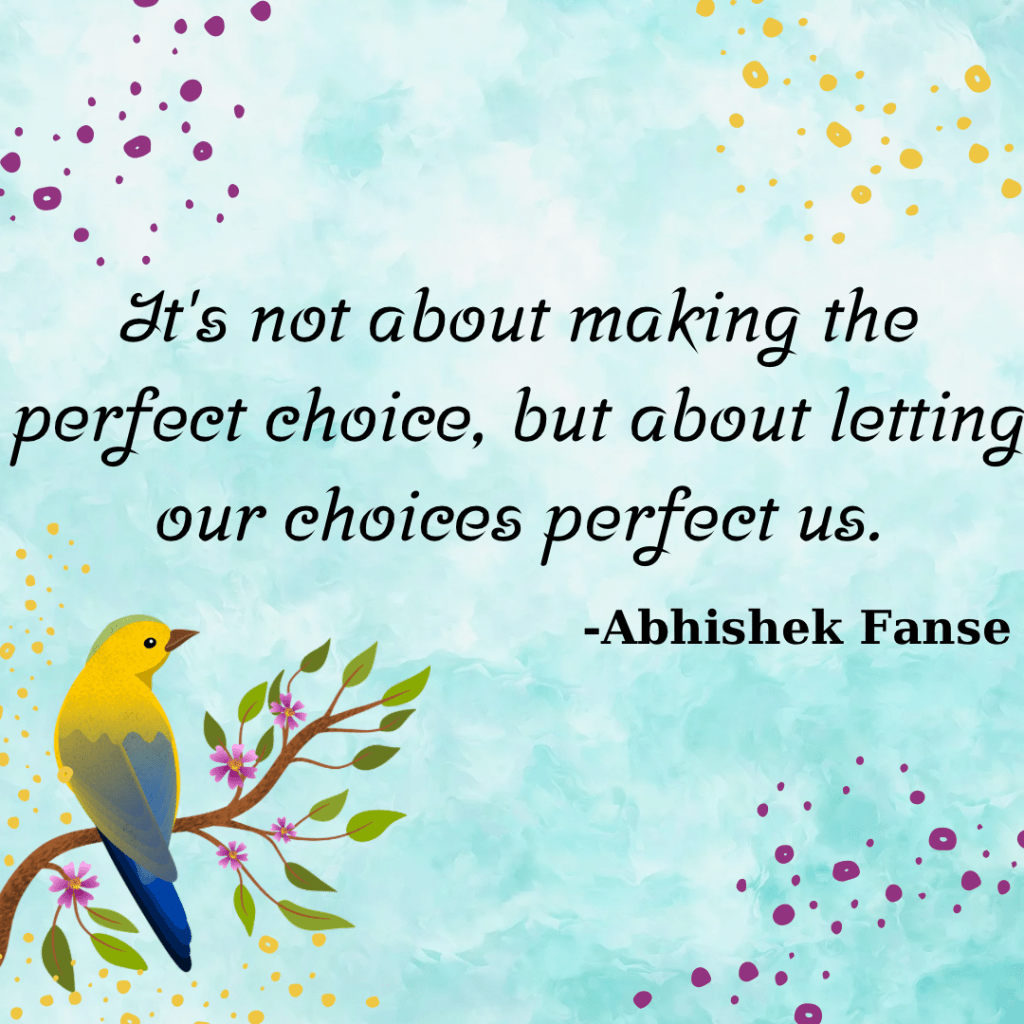
So, the next time you find yourself in the clutches of choice paralysis, remember: you are standing at the confluence of many rivers, each leading to a different ocean but all part of the same Earth. And it’s okay to stand there for a while, to feel the currents, to listen to their distinct murmurs, before stepping into the stream that will carry you to your next adventure.
And so, we are forever navigating, forever choosing. Not in search of resolution, but in pursuit of growth. In the end, it’s not about making the perfect choice, but about making our choices perfect us.
Love and Longing – A paradox ??
The experience of longing for love is universal and deeply rooted in our humanity. This longing, often described as an unquenchable thirst, is both a blessing and a burden, driving us to form connections, seek fulfillment, and explore the depths of our own emotions.
Delving into the realm of quantum physics, there’s an intriguing principle known as quantum entanglement. It suggests that two particles, once entwined, will remain connected irrespective of distance. A change in the state of one will instantly affect the state of the other, no matter how far apart they are.

Drawing a parallel to human emotions, particularly longing, one could argue that individuals form ’emotional entanglements.’ The sense of connection might not be physical but is as intense, enduring, and mystifying as quantum entanglements. This could be the reason why, even in separation, our emotions remain tethered to another person, place, or memory. Longing is a complex emotion that can arise from various sources. At its core, it’s a yearning for something that seems to be just out of reach. We might long for a loved one, for a sense of belonging, for an idealized version of the world, or for a deeper connection with ourselves.
Our longing for love can be seen as a biological imperative. Our ancestors who formed strong social bonds and felt a deep connection to their kin were more likely to survive and reproduce. As a result, the longing for love and connection is deeply ingrained in our genetic makeup. Our experiences shape our emotional responses. For instance, early attachment experiences with caregivers can influence our future relationships and how we perceive love. Similarly, our psychological makeup, shaped by both nature and nurture, affects how we experience longing.
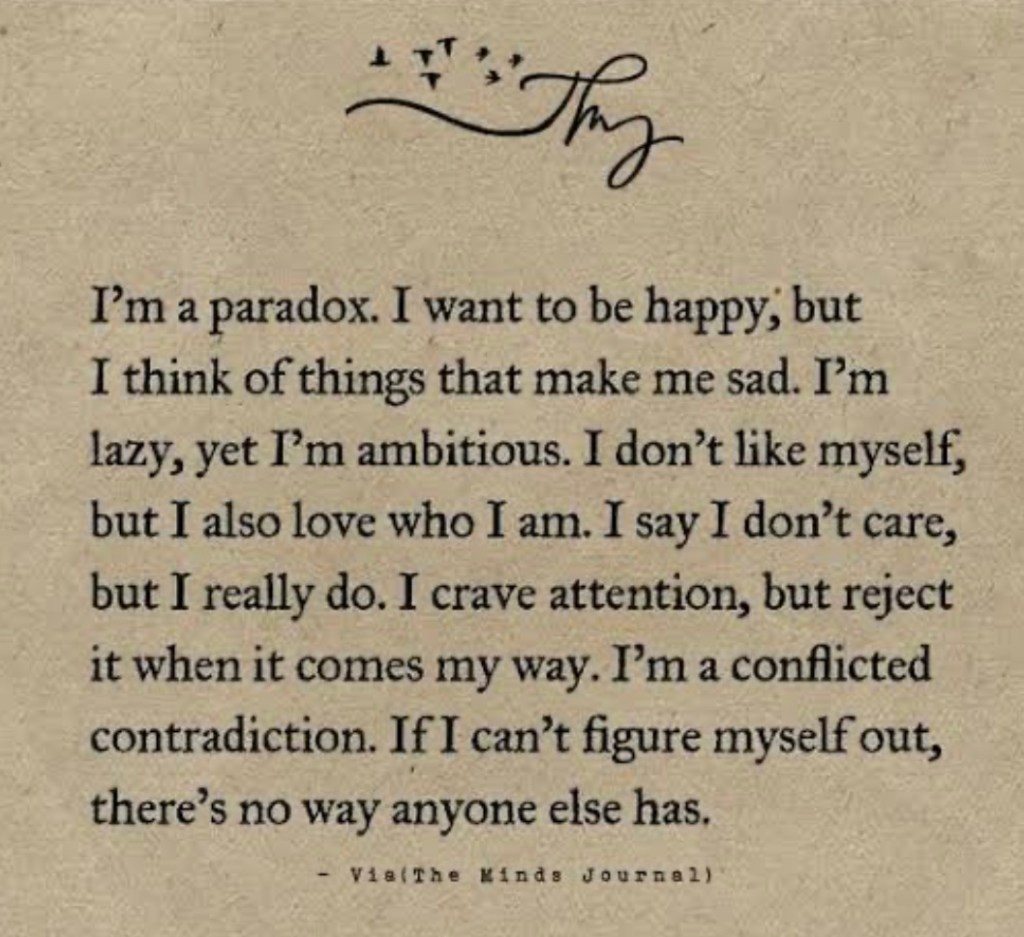
The relationship between love and longing is paradoxical. On the one hand, love can make us feel whole, bringing joy and fulfillment. On the other hand, it can also create a sense of longing, especially when faced with separation or unfulfilled desires. This tension is often evident in poetry and art, where love and longing are intertwined in complex ways. When we are in love, we often feel a sense of completeness. The world seems brighter, and we may experience a deep sense of contentment. This feeling arises from the connection and emotional intimacy that love brings. In these moments, longing may fade into the background. Despite the fulfillment that love offers, it can also create a sense of longing. When separated from a loved one, the intensity of our love can manifest as a deep yearning for their presence. This longing can also arise from unmet emotional needs, unfulfilled desires, or the idealization of love.
Love and longing are not mutually exclusive; they often coexist. The very act of loving someone can make us more aware of their absence when they are not around. Similarly, longing can intensify our love, making us cherish our moments of connection even more. This dynamic interplay adds depth to our emotional experiences.
Longing is not a singular emotion; it encompasses a range of feelings, including hope, desire, melancholy, and even pain. Longing often involves a strong desire for something or someone. This desire can create a sense of anticipation, making us look forward to future possibilities. The act of longing can be both exciting and agonizing, as we await the fulfillment of our desires. Longing can also be rooted in the past. We may long for a time when we felt loved, accepted, or understood. This sense of nostalgia can be accompanied by melancholy, as we realize that the past cannot be recaptured. Sometimes, longing arises from idealization. We may create a mental image of the perfect partner, the ideal life, or a utopian world. These idealized visions can make us feel discontented with our current reality, fueling a sense of longing. Longing can be painful, especially when it feels unending or unrequited. The intensity of our yearning can create a sense of suffering, as we grapple with the gap between our desires and reality.
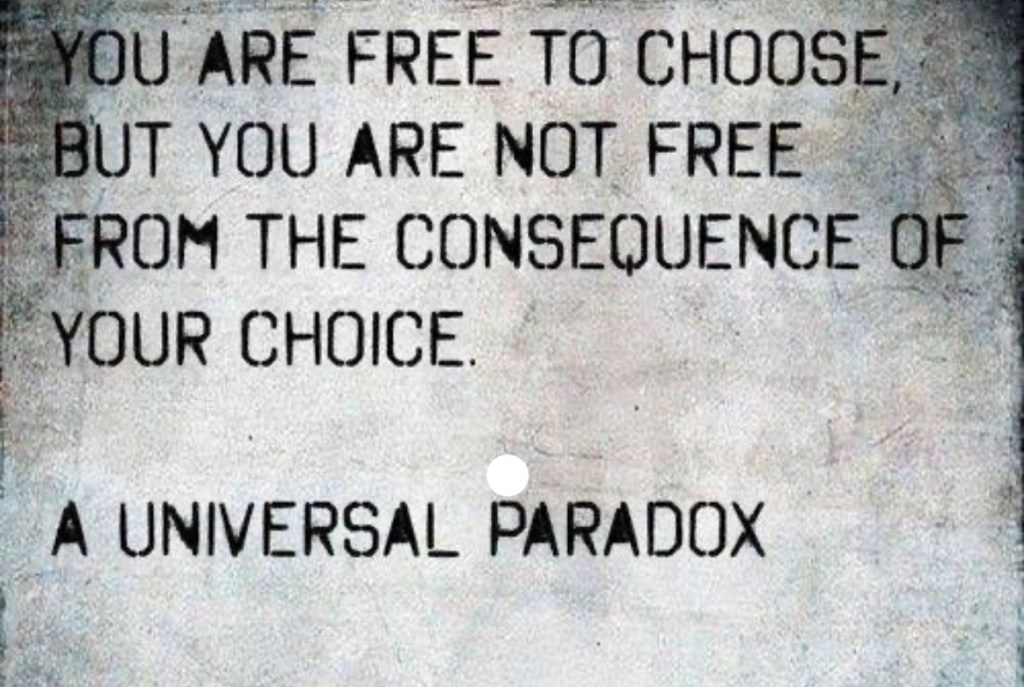
Wrestling with the feelings associated with longing can lead to deeper emotional intelligence. Through introspection, we can learn more about ourselves, our needs, and our desires. Understanding the root of our longing can help us address underlying issues or unmet needs in our lives. everyone has felt it at some point. Recognizing this shared experience can foster empathy towards others and deepen our human connections. By understanding our own feelings of longing, we become better equipped to empathize with others.
Life is characterized by dualities: happiness and sorrow, presence and absence, fulfillment and yearning. While these might seem contradictory, they often exist side by side and give depth to our experiences.
Presence in Absence: Even in the absence of what we long for, there’s a certain presence of that object or person in our thoughts and emotions. This phenomenon speaks to the power of our minds and hearts to transcend physical limitations.
Completeness in Incompleteness: The very feeling of longing suggests that there’s something we deem essential for our completeness. However, the journey of life is about realizing that, in many ways, we are already complete in our incompleteness. The gaps and spaces create room for growth, evolution, and understanding.
Stability in Flux: Our feelings, including longing, are in constant flux. They come and go, intensify and wane. But beneath these changing emotions, there’s a stable core of self, a foundational aspect of our being that remains unswayed.
Is harmony defined by us is really harmonious ?
The universe operates on a balance. Dualities like light and dark, joy and sorrow, and so on, are not in contention with each other but rather two sides of the same coin. They provide context and meaning. It’s akin to understanding that one cannot truly appreciate light without having known darkness. Our existence is enigmatic, where a myriad of elements interplay in a vast cosmic dance. Every action, no matter how minute, sends ripples across the fabric of the universe. Such is the interconnectedness and oneness that defines the cosmos. But amidst this vastness, we humans grapple with the age-old questions: Why are we here? Why do we feel disconnected when everything is intrinsically connected? And, why is our life, despite being a part of this vast universe, so often defined by duality?
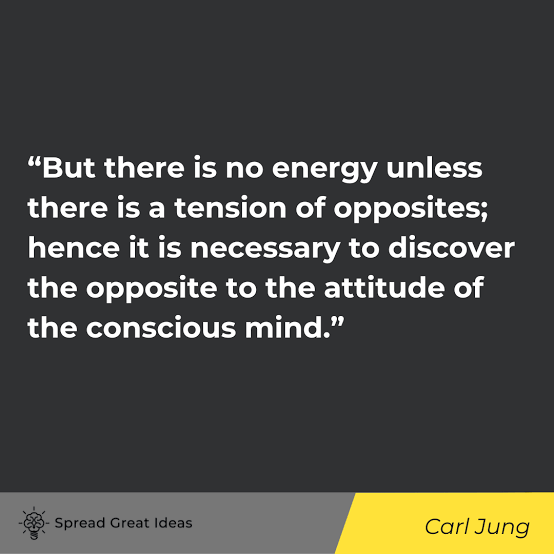
Consider the universe as an immense symphony, where every entity is like a note, contributing to an eternal, harmonious melody. From the most massive stars to the tiniest organisms, everything is in sync, vibrating in tune with the universe. This sense of harmony is a constant, even if it’s not always immediately apparent. However, the human experience often feels at odds with this cosmic harmony. We frequently perceive life through the lens of duality: good vs. evil, happiness vs. sorrow, success vs. failure. Such bifurcations arise primarily from our mental frameworks, shaped by societal norms, personal experiences, and evolutionary predispositions.
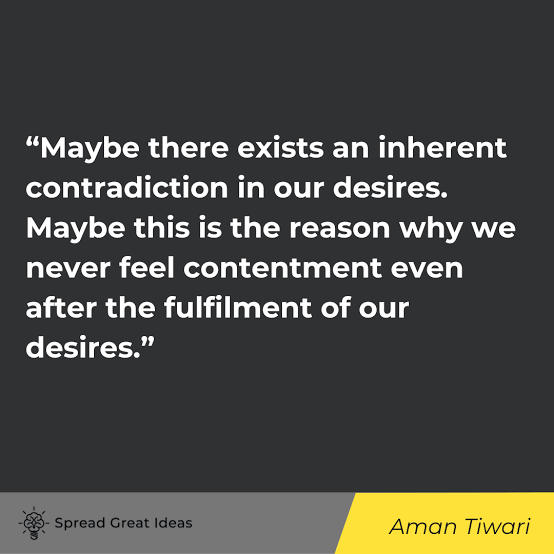
In our evolutionary journey, the human brain developed cognitive systems to categorize, discriminate, and simplify the complex stimuli of the external world, making it digestible and navigable. This cognitive system is a survival tool, enabling us to swiftly identify threats from non-threats, edible food from inedible, and so on. Over time, as societies became more sophisticated, these dualistic mental models began to govern not just our interactions with the environment but also our self-perception, aspirations, and relationships. This dualistic approach further feeds into the illusion of separateness — a feeling that we are distinct from the rest of the universe. Despite being made of stardust and sharing common atomic ancestors with everything around us, we often feel isolated or alienated. Such feelings intensify when we face adversities, leading many to question the harmony and purpose of existence.
Our understanding of freedom is entwined with our perception of duality. True freedom is not just liberation from external constraints but also from internal ones, like prejudices, fears, and limiting beliefs. To break free from the life’s cycle, one needs to reconcile with dualities, recognizing them as constructs rather than inherent truths. As we delve deeper into the framework of existence, we find that duality isn’t inherently detrimental. Instead, it provides contrast, lending depth and dimension to our experiences. Just as the contrasting strokes of a painting give it life and depth, the dualities of our lives add vibrancy and richness to our existence. Without dark, there would be no understanding of light; without sorrow, the true essence of joy would remain unknown.
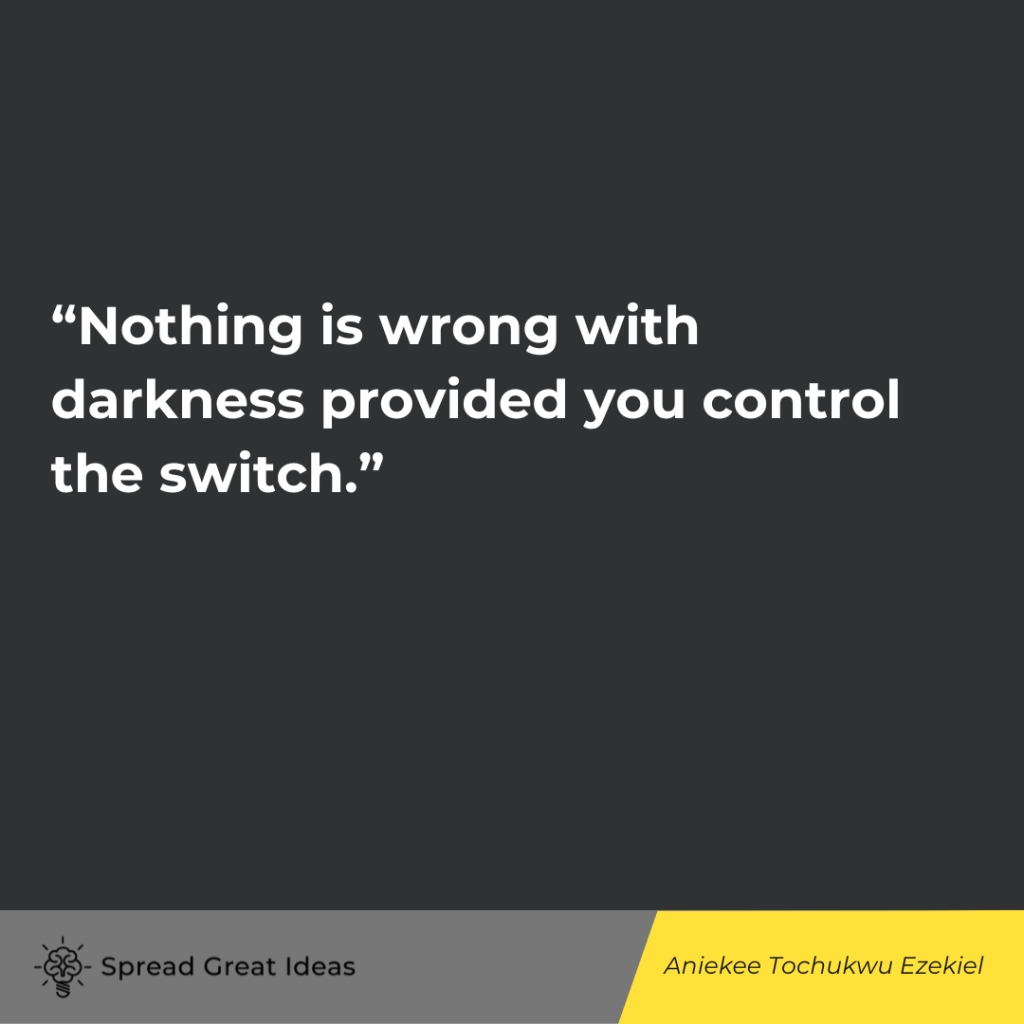
Much of our attachment to duality stems from societal and cultural conditioning. From childhood, we’re taught to label and categorize experiences: winning is good, losing is bad; happiness is desirable, sadness is not. Over time, these labels solidify into beliefs, shaping our perceptions and reactions. For instance, consider the universally accepted notion of success. Societal metrics of success often revolve around material wealth, social status, and professional achievements. However, if we were to strip away these conditioned beliefs and look at life through an unfiltered lens, we might find that true success lies in inner contentment, meaningful relationships, and personal growth.
Our fixation on the ephemeral aspects of life — fleeting emotions, transient experiences, and temporal possessions — further entrenches us in the duality trap. In the rush of life, we often overlook the eternal — the unchanging, omnipresent essence that underlies all existence. This essence, often referred to in spiritual contexts as the ‘Self’ or ‘Consciousness,’ remains unaffected by the dualities that play out on the surface.
By connecting with this eternal aspect of ourselves, we begin to view dualities with a sense of detachment. They appear as passing clouds against the vast sky of our existence, impactful in the moment but not defining our eternal essence. Aligning with the duality doesn’t mean becoming passive or indifferent. It means engaging with life wholeheartedly, experiencing every emotion, every high and low, but without letting them dictate our inner state. With heightened awareness, we can navigate the complexities of life with grace, recognizing the transient nature of our experiences.
This awareness doesn’t diminish our experiences but rather enriches them. When we embrace both the joys and sorrows of life with equanimity, we live more fully, more authentically. We begin to see challenges as opportunities for growth, failures as lessons, and successes as moments of gratitude.
Our perception of disharmony is influenced by our thoughts, emotions, and our attachments to outcomes. When we find ourselves in situations we didn’t desire or anticipate, our immediate response is resistance. This resistance, this non-acceptance, creates friction – a perceived disharmony.
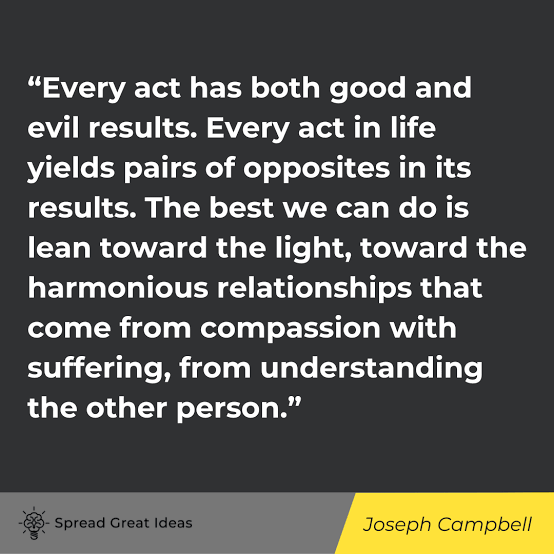
The journey to non-duality is a continuous process of introspection, reflection, and growth. Various spiritual traditions offer paths to transcend duality: the Yogic tradition advocates for meditation and self-inquiry, Buddhism emphasizes mindfulness and compassion, while Taoism teaches the art of flowing with life, embracing both its yin and yang.
The common thread across these traditions is the idea of returning to one’s true nature — a state of pure consciousness, free from the constraints of duality.
Possessive possessions
As human beings, our relationship with possessions is multi-faceted and complex, steeped in a variety of psychological, sociological, and cultural influences. Why do we cherish and cling to material objects? How do these objects gain such profound significance in our lives that their loss can trigger profound distress?
The roots of possessiveness can be traced back to our earliest stages of development. Attachment theory, proposed by psychologist John Bowlby, suggests that as infants, we form attachments to our caregivers, perceiving them as a source of security. Objects, such as a favourite blanket or toy, can also become “attachment objects,” imbued with emotional significance and seen as sources of comfort and safety.
As we grow older, this tendency to form attachments does not diminish but simply evolves. We begin to assign emotional significance to a wider range of objects: a cherished book, a childhood home, a prized car, an heirloom passed down through generations. These objects are no longer just inanimate items; they become extensions of our identity, symbolic representations of our personal history, achievements, relationships, and aspirations.
These possessions reflect who we are, who we have been, and who we aspire to be. They’re a reflection of our interests, experiences, values, and dreams. A stamp collection is not just a bunch of stamps; it’s a testament to a person’s love for history and travel. A guitar is not just an instrument; it’s an emblem of someone’s passion for music and creativity.
However, our deep emotional attachment to our possessions has a flip side: the fear of losing them. The possibility of someone taking away our prized possessions triggers a fear of losing a part of ourselves, of our identities being eroded. This fear is the seed of possessiveness. We resist anyone interfering with our possessions, seeing such interference as an intrusion into our personal domain, a threat to our sense of self.
Our possessions also offer us a sense of control in a world often marked by uncertainty and unpredictability. In a life full of variables beyond our control, our possessions are something we can manage, organize, and control. This perceived control can offer us comfort, helping us navigate the unpredictability of life.
This dynamic of possession and control extends to our relationships as well. We might view our partners, friends, or family members as ‘ours,’ a part of our identity. In healthy relationships, this feeling manifests as a deep sense of connection and commitment. However, when driven by insecurity or fear of loss, it can devolve into possessiveness, stifling the other person’s freedom and autonomy.
Ironically, the attachment to possessions can create both a sense of fullness and emptiness. Fullness, because these objects can offer comfort, joy, and a sense of identity. Emptiness, because possessions, being impermanent, can be lost, damaged, or taken away. We might also feel empty when we realize that possessions, while they can offer temporary happiness, cannot provide the deep, lasting fulfillment we ultimately seek.
In this journey of understanding possessions, it’s critical to consider another aspect, the societal and cultural influences that shape our attitudes towards ownership and possession. Our societies, through advertising, media, and peer pressure, often promote materialism and the idea that acquiring possessions is a path to happiness and success. We’re constantly bombarded with messages that equate possessions with personal worth and social status. This reinforces our attachment to material objects, making them seem even more essential to our identities and well-being.
Take, for example, the car someone drives. It’s more than just a vehicle for transportation; it’s often seen as a status symbol, an outward sign of wealth and success. We assign value to the person based on the value of their car. This societal norm can significantly reinforce our desire to possess and protect our belongings, linking them directly to our self-worth and societal standing.
However, this attachment can lead us into a cycle of endless striving, where we’re constantly seeking the next thing to acquire, hoping it will bring us the satisfaction we crave. But as we’ve often seen, this satisfaction is usually temporary. The excitement of a new purchase eventually fades, and we’re left seeking the next thing, caught in an endless cycle of desire and dissatisfaction.
This cycle of possession and dissatisfaction is also reflected in our relationships. In an attempt to find security and happiness, we may seek to ‘possess’ people, to make them ‘ours.’ This can manifest in various ways, from the relatively benign (e.g., wanting to spend lots of time with a loved one) to the more harmful (e.g., trying to control a partner’s behavior or friendships).
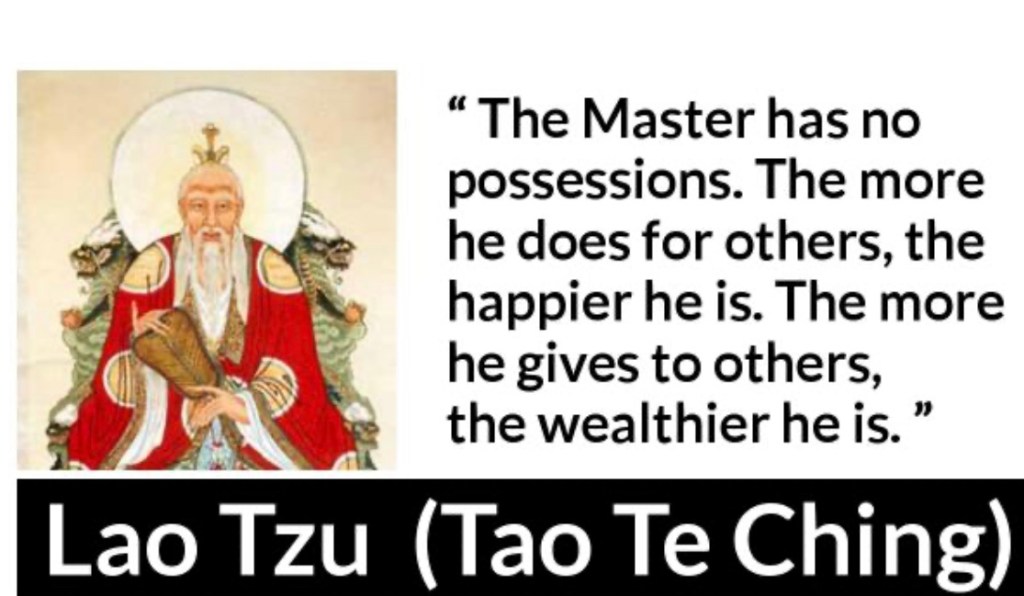
When we treat people as possessions, we run into two main problems. First, people are autonomous beings with their own desires and needs, not objects to be owned or controlled. Trying to ‘possess’ a person invariably leads to conflict and harm. Second, like with material possessions, the security and happiness we seek in ‘possessing’ others are elusive. People change, relationships end, and the sense of security we hoped to find proves fleeting.
The idea of possession also often extends to the intangible elements of our lives, such as ideas, beliefs, and ideologies. These can also become ‘possessions’ we fiercely cling to and defend. For instance, political, religious, or philosophical beliefs often become integral parts of our identity. Just as with material possessions, we can react negatively if these beliefs are challenged, seeing such challenges as attacks on ourselves.
One reason we attach so deeply to these kinds of possessions is that they help to structure our understanding of the world. They provide a framework that makes sense of our experiences, giving us a sense of control and predictability. Therefore, when these beliefs are threatened, it can feel as though our whole understanding of the world is under threat, triggering a defensive reaction.
However, just as with physical possessions, this attachment can lead to problems. When we’re so deeply invested in a particular belief or ideology, it can close our minds to new ideas and perspectives. We can become rigid and inflexible, unable to adapt to new information or changing circumstances.
This rigidity can also lead to conflict with others who hold different beliefs. When our identities are so tied up with our beliefs, it can be challenging to engage in open, respectful dialogue with those who see the world differently. Instead, we may feel threatened by these differing viewpoints and respond with hostility.
Yet, one might ask, how can we not hold onto beliefs? Aren’t they necessary for making sense of the world? While it’s true that beliefs play a crucial role in our understanding of the world, the problem arises when we cling to them rigidly, refusing to consider alternative viewpoints or update our beliefs in the light of new information.
Just as we can enjoy material possessions without being attached to them, we can hold beliefs without being enslaved by them. This requires a certain level of open-mindedness, a willingness to question our beliefs and consider new ideas. It also requires a level of humility, an acknowledgment that our understanding of the world is always limited and imperfect.
By developing this kind of flexible, open-minded approach to our beliefs, we can avoid much of the conflict and suffering that comes with rigid attachment. We can engage more productively with those who hold different views, seeing these interactions not as threats, but as opportunities for learning and growth.
The concept of possessions, whether tangible or intangible, thus challenges us to reassess our relationship with the world around us. While possessions can provide a sense of security and identity, our attachment to them can also lead to suffering and conflict.
Can actions be detached?
The origin of action can be traced back to the very fabric of life itself. Every living entity, whether it’s a single-celled organism or a complex human being, is in a continuous state of action. Even in states of seeming inactivity, there are countless actions taking place within our bodies – cells dividing, heart beating, neurons firing. These actions are not born out of attachment, but rather out of the inherent nature of life and its ceaseless dynamism.
In human beings, actions become more complex. Many of our actions stem from cognitive processes, decision-making, emotions, motivations, desires, and fears. Some of these might be influenced by past experiences or expectations of future outcomes. While it’s true that past experiences can inform our actions, it doesn’t necessarily mean that every action is an outcome of attachment to past results.
Let’s take the example of learning to ride a bike. The initial attempts are informed by the desire to learn, and perhaps the fear of falling. Each attempt, whether successful or not, provides a learning experience which informs future attempts. Over time, as we master the skill, the act of riding a bike becomes almost second nature. It’s no longer driven by the initial desire or fear, but instead becomes an integrated action that we can perform almost effortlessly. In this scenario, the action of riding the bike is not an outcome of attachment, but a manifestation of learned skills and understanding.
Now, let’s consider the concept of detached action as explained in the Bhagavad Gita. Detachment in this context does not mean indifference or lack of care, but rather a state of being where one is not excessively attached to the fruits of their actions. When we perform an action with an attached mindset, we are often excessively focused on the outcome. This focus on the future can rob the action of its full potential, as our mind is not fully present in the action itself.
Detached action, on the other hand, allows us to be fully present in the act of doing. This presence can liberate the action from the constraints of past experiences or future expectations, allowing it to unfold with its full potential. A detached action is one that is performed with a sense of duty, with full attention, and without excessive attachment to the outcome. This doesn’t mean that we don’t care about the result. Instead, it means that we perform the action to the best of our ability, accepting whatever result comes as a consequence.
An important aspect to consider here is the interconnectedness of life. Our actions do not exist in a vacuum; they are part of an interconnected web of actions, reactions, and interactions. Understanding this can help us realise that while we have control over our own actions, the results are influenced by countless other factors, many of which are beyond our control. This realisation can foster a sense of humility, acceptance, and detachment, which can free us from the psychological burden of excessively identifying with the outcomes of our actions.
Moving further into the philosophy of actions, let’s delve into the concept of ‘free will’ and ‘determinism’. These two philosophical positions often clash when we try to understand the nature of our actions.
Free will posits that we, as conscious beings, have the power to make choices and act independently of any external constraints. It suggests that our actions originate from our conscious decisions and, thus, we bear full responsibility for them.
Determinism, on the other hand, suggests that every event, including human actions, is determined by previously existing causes. It argues that all our actions are the result of some cause, whether it is our genetic predisposition, upbringing, social environment, or other factors.
Both of these positions hold some truth. While we may feel that we have the freedom to choose our actions, we cannot deny that our choices are influenced by our past experiences, genetic predisposition, and external circumstances. So, our actions are both free and determined, depending on the perspective we adopt.
When we examine our actions closely, we find that they are not purely the result of our conscious decisions. Our subconscious mind, conditioned by past experiences and deep-seated beliefs, plays a significant role in our decision-making process. So, while we might believe that we are acting freely, many of our actions are habitual reactions conditioned by our past.
Understanding this can liberate us from the illusion of absolute control and the burden of excessive self-blame or self-congratulation. It can also foster a sense of compassion for ourselves and others, as we recognise that our actions are often the result of deep-seated conditioning and external circumstances, rather than purely intentional choices.
The key lies in the practice of mindfulness and self-awareness. By becoming more aware of our thoughts, feelings, and motivations, we can start to understand the forces that drive our actions. We can recognise our habitual patterns and start to make more conscious choices.
In the Bhagavad Gita, Krishna advises Arjuna to act without attachment to the fruits of action. This does not mean acting without care or intention. Rather, it means acting with full attention and commitment, without getting caught up in the anxiety about the outcome. This attitude allows us to act with greater freedom and effectiveness, as we are not burdened by excessive worry about the future or regrets about the past.
When we act, we set into motion a series of events, and the consequences of those actions ripple out into the world. The impact of our actions is not confined to ourselves; it influences those around us, our environment, and ultimately the world at large. This chain of cause and effect is constantly in motion and is dictated by the nature and intent of the action.
Duality arises from the perceived differentiation between good and bad, positive and negative, joy and pain, and so forth. This perceived differentiation often causes conflict and suffering because we instinctively cling to what we perceive as good and resist what we perceive as bad. We are pleased when our actions yield positive outcomes and disappointed when they do not.
However, the Bhagavad Gita teaches us that the dichotomy of good and bad is a construct of our mind and that every action simply is. This is a difficult concept to understand because it runs counter to our instinctual desire to classify and judge things based on our subjective perspective.
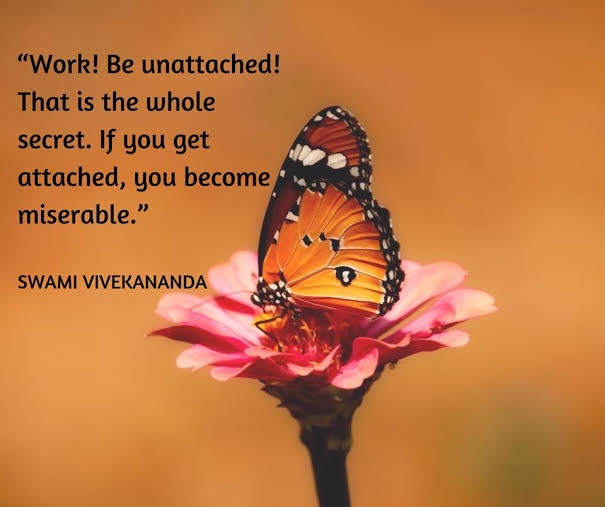
In reality, an action is neither good nor bad; it is our attachment to the outcome that labels it so. When we act without attachment to the outcome, we act in the fullest expression of our being, free from the constraints of expectation or fear of failure. This state of detachment does not mean that we do not care about the outcome, but rather that we understand we cannot control every aspect of it.
Instead, our focus shifts to the process, the action itself. By doing so, we become more present, more mindful, and more engaged in our actions. We start to see our actions not as a means to an end but as an end in themselves.
Therefore, to navigate the duality of actions and their effects, we must cultivate awareness and detachment. By observing our thoughts, emotions, and actions without judgment or expectation, we can experience life as it is, without the filter of duality.
In the grand scheme of life, our actions are but tiny ripples in a vast ocean. They may cause waves, they may create turbulence, but eventually, they will settle, leaving the water calm and clear once more. It is in this state of calmness, free from the duality of actions and their effects, that we find true freedom and peace.
Love – can it be more or less??
Love is a deeply profound and complex human emotion, often defying straightforward explanations and definitions. At its core, love can be viewed as an unconditional acceptance and appreciation of oneself or another, involving care, empathy, and a desire for the loved one’s well-being. This exploration will delve into why we sometimes feel the need for more or less love, why we keep expectations in love, and why love can sometimes result in hurt.
The expression of love involves a diverse array of feelings, behaviors, and beliefs, which are influenced by a myriad of psychological, social, cultural, and biological factors. From the perspective of evolutionary psychology, love can be seen as a survival mechanism, promoting bonding and mutual aid, which are crucial for the survival of our species.
On a psychological level, love involves the interplay of multiple elements including attachment, intimacy, commitment, passion, and care. It’s often in the dynamics of these elements that we start to perceive love as being ‘more’ or ‘less’. The need for ‘more’ love could be linked to an increased desire for emotional intimacy, assurance, or care, while the feeling of ‘too much’ love might be related to an overwhelming sense of vulnerability or loss of autonomy.
Cultural and societal norms also play a role in shaping our perceptions of love. Cultures around the world have different understandings and expectations of love, which influence how individuals perceive, express, and experience love.
The expectation in love is a widely experienced phenomenon and is closely tied to the human propensity for prediction and desire for stability. As human beings, we have an innate tendency to form expectations based on our past experiences and societal norms. These expectations can serve as a guide, helping us navigate our relationships and giving us a sense of control and predictability.
However, expectations can sometimes lead to disappointment and hurt when they are not met. This can happen when our expectations are unrealistic or when they are not aligned with the other person’s capabilities or intentions. It’s important to note that unmet expectations don’t necessarily imply a lack of love, but rather a discrepancy between our desires and reality.
The concept of love being always 100% and none when there’s less, is a philosophical interpretation that holds love as a complete, all-encompassing emotion. When we truly love, we love wholly and unconditionally. This kind of love does not fluctuate but remains constant, irrespective of circumstances. This is the ideal form of love, the one we aspire to, where love is pure, unconditional, and complete.
Yet, in our human experience, we often find ourselves in a different reality, one where love is not always perceived as complete or constant. In these instances, love can sometimes lead to hurt. This is because love involves vulnerability. To love is to open ourselves up to another, to let them affect us in a deeply personal way. This openness can sometimes lead to pain, especially if the love is not reciprocated, if there’s a betrayal, or if the loved one is lost.
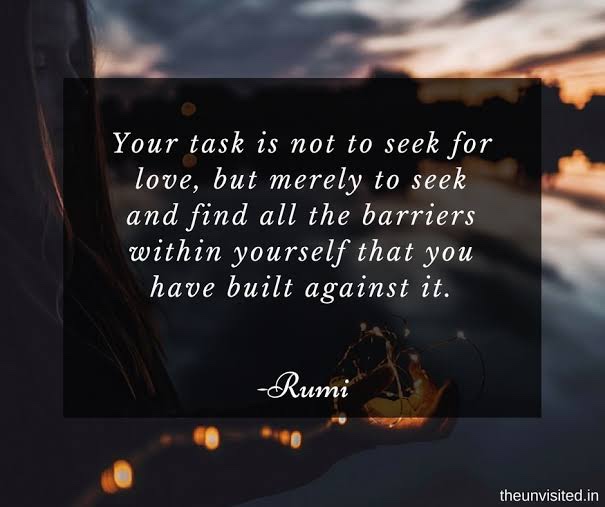
Moreover, it’s crucial to distinguish between love as a pure, selfless emotion, and our human interpretations and reactions to this emotion. While love in its purest form is unconditional and constant, our perceptions and experiences of love are influenced by our individual personalities, past experiences, emotional needs, and mental health.
So, when we say we want ‘more’ love, what we often mean is that we want more demonstrations of love – more time, more affection, more understanding, more validation. Similarly, when we feel hurt in love, it’s often not love itself that hurts us, but the actions (or lack thereof) that stem from it, or rather, our interpretation of these actions.
It’s important to acknowledge that while love is a universal emotion, our understanding and experience of love are deeply personal and unique. It is through our interactions with others that we learn about love, and through introspection, we deepen our understanding of it.
As we continue our exploration of love, let’s delve into the concept of ‘contagious’ love. The contagious nature of love is deeply rooted in our evolutionary history and neurobiology. As social beings, our survival and well-being are dependent on our ability to form and maintain relationships with others. Love, being a powerful emotional bond, helps us create these social ties and foster cooperation.
On a neurological level, the contagiousness of love can be explained by the presence of mirror neurons in our brain. These are a type of brain cell that responds equally when we perform an action or when we witness someone else perform the same action. When we see a loved one expressing love, our mirror neurons fire, causing us to mimic their emotional state internally. This neural ‘mirroring’ can result in us experiencing a similar feeling of love, making it seem as if love is ‘contagious’.
The shared experience of love enhances empathy, strengthens social bonds, and promotes communal harmony. It allows us to understand and share the feelings of others, contributing to our ability to empathize and connect on a deeper level. Moreover, when we see love being expressed, it often inspires us to express our own love more freely, spreading the emotion in a ripple effect.
However, as we navigate through the realms of love, we often come face-to-face with the reality of emotional pain. Why do we get hurt in love? It’s important to remember that love in its truest, most unadulterated form doesn’t cause pain. It is the conditions, expectations, and attachments that we often associate with love that lead to suffering.
We are often hurt when our expectations in love are not met. This could be because we expect certain behaviors from our loved ones, or we assume that our expression of love should be reciprocated in a certain way. When reality does not align with these expectations, it can result in feelings of disappointment, rejection, and hurt.

Furthermore, love inherently involves vulnerability. When we love, we open up, we share our innermost selves, our hopes, fears, dreams, and insecurities. This emotional openness leaves us susceptible to pain and hurt. If our vulnerability is not handled with care, or if our trust is broken, it can lead to deep emotional wounds.
Yet, it’s essential to note that the potential for pain should not deter us from embracing love. Love, even with its potential for hurt, brings a depth of emotion and a richness of experience that is unparalleled. The joy, connection, and growth that love can bring far outweigh the risks associated with it.
In addition, the pain that sometimes accompanies love can serve as a catalyst for personal growth and self-understanding. It can help us understand our emotional needs and patterns better, encourage us to develop healthier relationship skills, and foster emotional resilience.

In the grand tapestry of life, love weaves its own unique thread. It adds color, texture, and depth, making our human experience all the more vibrant and meaningful. Love, in its fullness, is not just an emotion; it is an experience, a journey. It is a journey of joy and pain, of connection and loss, of self-discovery and growth.
Understanding love in its entirety requires embracing its complexities, its highs and lows, its joys and pains. It involves recognizing that love is not merely about fulfilling our needs or desires, but about growth, understanding, and deep connection. It’s about seeing and accepting ourselves and others in our wholeness, with all our strengths and weaknesses, hopes and fears, perfections and imperfections.
And while love can sometimes lead to pain, it also holds the promise of healing. Love has the capacity to heal wounds, bridge divides, and transform our lives in profound ways. So, despite its complexities and challenges, we continue to seek love, to give love, to be in love. For in the end, love is not just an emotion; it is a fundamental part of our humanity, a testament to our capacity for empathy, connection, and kindness. It is a force that binds us, nurtures us, and propels us towards growth and fulfillment.
 Abhishek Fanse