Perceptions – Consensus Subjectivity vs. Objective Truth
Perception is the process by which sensory information is interpreted, organized, and consciously experienced. This involves not just the mechanical aspects of sensation, but also the psychological elements that interpret and prioritize this data, often filtered through individual beliefs, experiences, and cultural norms. Perception is an interface between an individual’s interior world and the objective reality surrounding them.
In a perfect, objective world, there would be a single, indisputable truth about everything. But humans aren’t perfectly objective beings; our cognitive and sensory apparatus has its limitations. A snake perceives heat differently than a human; a dog perceives scent differently than a human. While the world itself might possess a “universal truth,” our ability to perceive it is shaped by our limitations. If you act with “100% completeness,” it would mean that you have acted in full alignment with your capabilities and intentions. But people perceive your actions based on their own sets of experiences, expectations, and biases, not necessarily based on your intentions. Hence, perceptions can vary even for a universally “complete” action. While the act itself might be independent, its interpretation is not. That’s where perception comes in. Perceptions may be “limited” and “formed by other or for other,” but they play a critical role in social dynamics, ethical considerations, and interpersonal relations.
People rely on perceptions because it’s an accessible way to interpret and navigate the complex world. But it is essential to differentiate between individual perceptions and collective or societal ones. The latter often serves as a “consensus reality,” providing a common framework for communication and understanding. So, while perceptions are limited by their very nature, they are a necessary component of human interaction and society. The real issue arises when perceptions are mistaken for objective truth, ignoring their inherently subjective and conditional nature. We can indeed question the “reality” of different perceptions and argue that they’re all illusory in some way, but as long as humans have subjective experiences, perceptions will continue to differ. And in that diversity of perception lies the complexity, and beauty, of human experience.
Question: can we have any objective experience?
The notion of “objective experience” is a bit of an oxymoron. Experiences are inherently subjective because they are mediated by individual sensory apparatus, psychological states, and sociocultural backgrounds. However, certain frameworks try to minimize subjectivity to get as close to “objectivity” as possible. In the scientific method, for example, experiments are designed to be replicable regardless of who performs them. The idea is to eliminate as much human subjectivity as possible so that the results point to some “objective” truth about the world.
There can be cracks in achieving objectivity in scoring or mathematical experiments as Measurement tools are designed and interpreted by humans, who bring their own sets of assumptions and limitations to the table.
When a majority of individuals agree on a particular experience or observation, this doesn’t necessarily make it “objective” in the sense of an unchanging truth that exists independent of human perception. Rather, it forms a “consensus reality”—a shared framework of understanding that facilitates communal living and communication. While this consensus reality may be treated as “objective” within a specific cultural or social context, it’s not the same as a universal truth that holds across all times and places.
For example, money is a societal consensus. We agree to give paper and metal tokens a certain value. Within the context of a particular economy, the value of a dollar or euro is an “objective” fact, but this objectivity is contingent on shared belief and participation in economic systems. The material paper has no intrinsic value; its worth is entirely constructed and agreed upon.
However, Truth, in its purest form, shouldn’t have different meanings or interpretations. In philosophy, something that is “objectively true” would be true regardless of individual or cultural beliefs—a universal fact. However, accessing or understanding such truths is a challenging endeavor precisely because we are subjective beings.
Whispers of the Quiet Quest!!
Silent seeker’s quest
In the realm of the silent seeker’s stride,
Where bridges burn, and shadows hide,
A journey deep, through time’s vast tide,
To realms within, where truths reside.
The witness stands, on shores of mind,
Observing life, to ties unbind.
Yet comes a time, the seeker finds,
To transcend watch, and life entwined.
For what’s an end, but a new dawn?
A realization, a reborn fawn.
Not a destination, but a stretch yawning wide,
A shift of soul, where truths reside.
Observer, witness, names do vary,
Yet their essence, one mustn’t miscarry.
A silent gaze, detached, unweary,
In the dance of life, a step so necessary.
The ego’s song, a siren’s call,
Binds the soul, in a webbed thrall.
But in awakened states, its grip does fall,
As vastness reigns, over the minuscule and small.
Time, a river, flowing swift and sure,
Past’s lessons, future’s lure.
Yet in the present, lies the cure,
To manifest dreams, pure and pure.
Intention sets the compass’ needle,
Visualization paints the dream’s easel.
Emotion fuels, action’s sequel,
And gratitude wraps, life’s upheaval.
In the dance of duality, the rhythm is profound,
Yet beyond the beats, a silence is found.
For in the heart of existence, where truths are unbound,
Lies the song of the soul, an eternal sound.

Is harmony defined by us is really harmonious ?
The universe operates on a balance. Dualities like light and dark, joy and sorrow, and so on, are not in contention with each other but rather two sides of the same coin. They provide context and meaning. It’s akin to understanding that one cannot truly appreciate light without having known darkness. Our existence is enigmatic, where a myriad of elements interplay in a vast cosmic dance. Every action, no matter how minute, sends ripples across the fabric of the universe. Such is the interconnectedness and oneness that defines the cosmos. But amidst this vastness, we humans grapple with the age-old questions: Why are we here? Why do we feel disconnected when everything is intrinsically connected? And, why is our life, despite being a part of this vast universe, so often defined by duality?
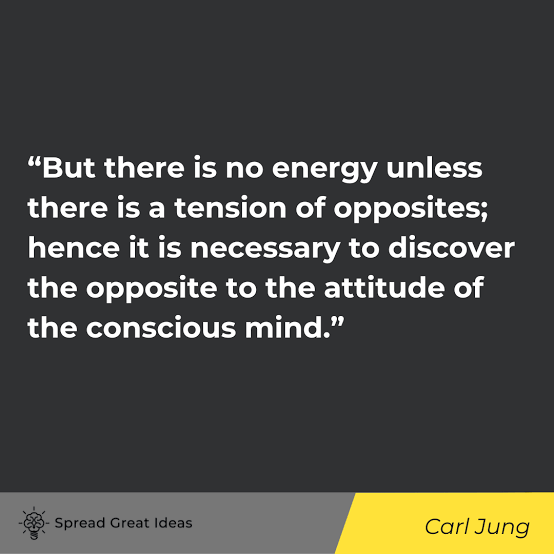
Consider the universe as an immense symphony, where every entity is like a note, contributing to an eternal, harmonious melody. From the most massive stars to the tiniest organisms, everything is in sync, vibrating in tune with the universe. This sense of harmony is a constant, even if it’s not always immediately apparent. However, the human experience often feels at odds with this cosmic harmony. We frequently perceive life through the lens of duality: good vs. evil, happiness vs. sorrow, success vs. failure. Such bifurcations arise primarily from our mental frameworks, shaped by societal norms, personal experiences, and evolutionary predispositions.
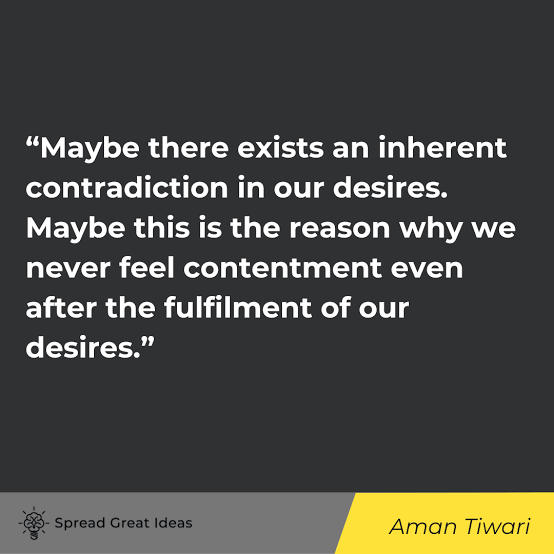
In our evolutionary journey, the human brain developed cognitive systems to categorize, discriminate, and simplify the complex stimuli of the external world, making it digestible and navigable. This cognitive system is a survival tool, enabling us to swiftly identify threats from non-threats, edible food from inedible, and so on. Over time, as societies became more sophisticated, these dualistic mental models began to govern not just our interactions with the environment but also our self-perception, aspirations, and relationships. This dualistic approach further feeds into the illusion of separateness — a feeling that we are distinct from the rest of the universe. Despite being made of stardust and sharing common atomic ancestors with everything around us, we often feel isolated or alienated. Such feelings intensify when we face adversities, leading many to question the harmony and purpose of existence.
Our understanding of freedom is entwined with our perception of duality. True freedom is not just liberation from external constraints but also from internal ones, like prejudices, fears, and limiting beliefs. To break free from the life’s cycle, one needs to reconcile with dualities, recognizing them as constructs rather than inherent truths. As we delve deeper into the framework of existence, we find that duality isn’t inherently detrimental. Instead, it provides contrast, lending depth and dimension to our experiences. Just as the contrasting strokes of a painting give it life and depth, the dualities of our lives add vibrancy and richness to our existence. Without dark, there would be no understanding of light; without sorrow, the true essence of joy would remain unknown.
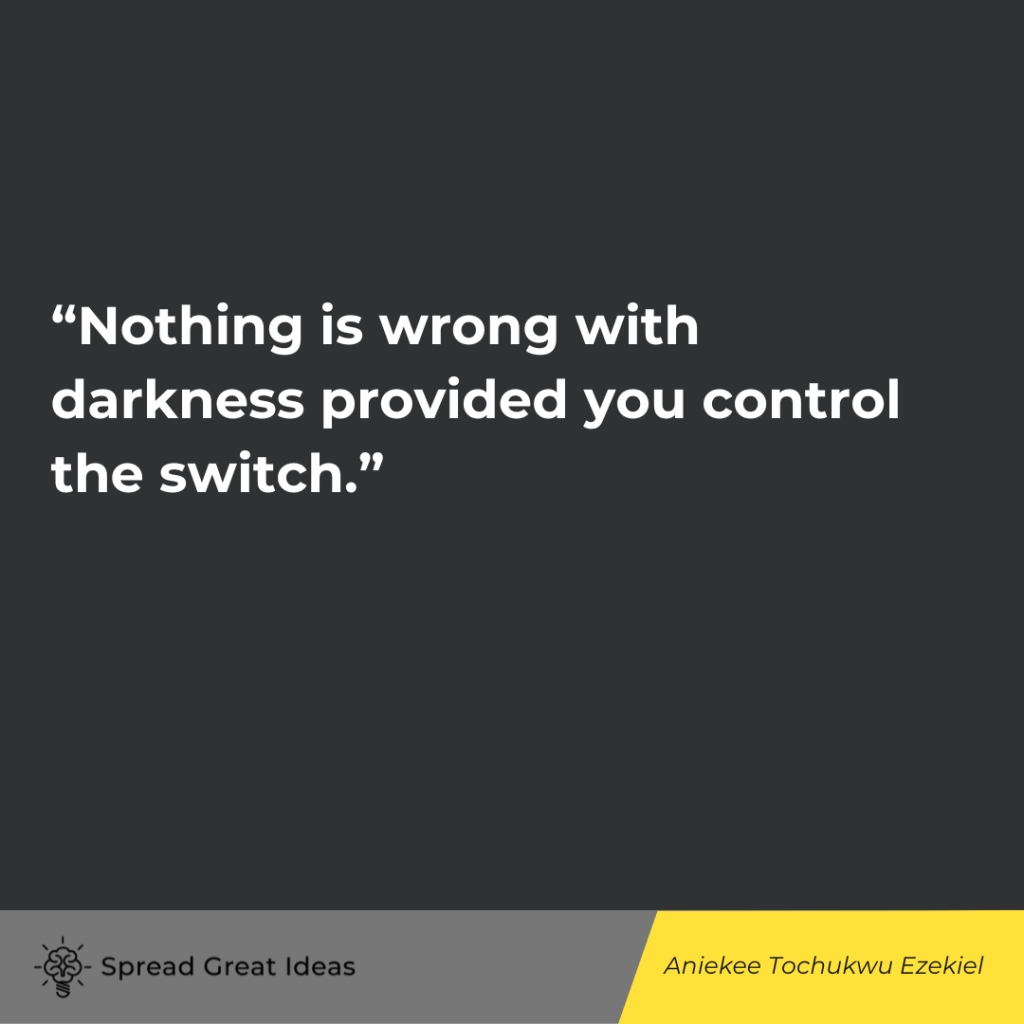
Much of our attachment to duality stems from societal and cultural conditioning. From childhood, we’re taught to label and categorize experiences: winning is good, losing is bad; happiness is desirable, sadness is not. Over time, these labels solidify into beliefs, shaping our perceptions and reactions. For instance, consider the universally accepted notion of success. Societal metrics of success often revolve around material wealth, social status, and professional achievements. However, if we were to strip away these conditioned beliefs and look at life through an unfiltered lens, we might find that true success lies in inner contentment, meaningful relationships, and personal growth.
Our fixation on the ephemeral aspects of life — fleeting emotions, transient experiences, and temporal possessions — further entrenches us in the duality trap. In the rush of life, we often overlook the eternal — the unchanging, omnipresent essence that underlies all existence. This essence, often referred to in spiritual contexts as the ‘Self’ or ‘Consciousness,’ remains unaffected by the dualities that play out on the surface.
By connecting with this eternal aspect of ourselves, we begin to view dualities with a sense of detachment. They appear as passing clouds against the vast sky of our existence, impactful in the moment but not defining our eternal essence. Aligning with the duality doesn’t mean becoming passive or indifferent. It means engaging with life wholeheartedly, experiencing every emotion, every high and low, but without letting them dictate our inner state. With heightened awareness, we can navigate the complexities of life with grace, recognizing the transient nature of our experiences.
This awareness doesn’t diminish our experiences but rather enriches them. When we embrace both the joys and sorrows of life with equanimity, we live more fully, more authentically. We begin to see challenges as opportunities for growth, failures as lessons, and successes as moments of gratitude.
Our perception of disharmony is influenced by our thoughts, emotions, and our attachments to outcomes. When we find ourselves in situations we didn’t desire or anticipate, our immediate response is resistance. This resistance, this non-acceptance, creates friction – a perceived disharmony.
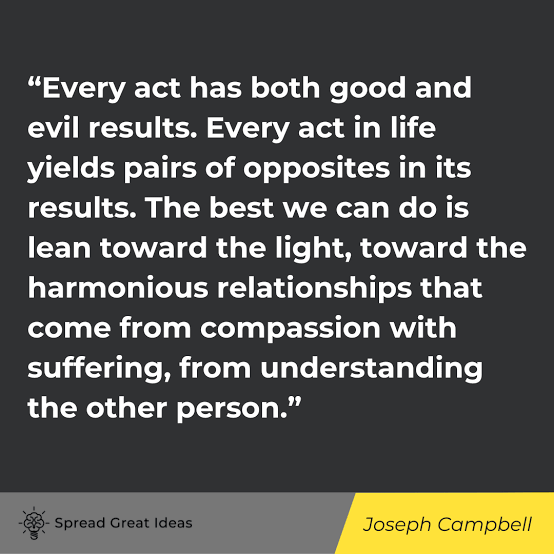
The journey to non-duality is a continuous process of introspection, reflection, and growth. Various spiritual traditions offer paths to transcend duality: the Yogic tradition advocates for meditation and self-inquiry, Buddhism emphasizes mindfulness and compassion, while Taoism teaches the art of flowing with life, embracing both its yin and yang.
The common thread across these traditions is the idea of returning to one’s true nature — a state of pure consciousness, free from the constraints of duality.
Prayer – is it measurable ?
Prayer is an age-old human practice that transcends the boundaries of culture, geography, and faith. As we explore whether there is a measure of prayer, be it qualitative or quantitative, we find ourselves diving into the intricate layers of human spirituality, psychology, and the subjective experiences that weave the tapestry of our existence. In this exploration, we consider the motivations behind prayer, the outcomes of this practice, and the existential questions that propel human beings towards the realm of the divine.
Prayer, at its core, is a form of communication with a higher power, deity, or the universe, depending on one’s faith or personal belief system. It’s a practice steeped in ritual and tradition, manifesting in different ways across the world’s religions. Prayers may be expressed in silence, in spoken or sung words, through physical prostrations, or even via dance, as seen in some indigenous spiritual traditions. Some pray using prescribed words and formulas, while others engage in spontaneous, personal dialogues with the divine.
While a quantitative measure of prayer might seem straightforward – one could, in theory, count the number of prayers, their frequency, or duration – this approach fails to grasp the true essence of prayer. Prayer is fundamentally a subjective experience that eludes objective measurement. The “effectiveness” of a prayer isn’t necessarily proportional to the number of times it’s uttered or its length. It’s an act that holds significance beyond numbers and metrics.
The qualitative measure of prayer, on the other hand, poses a challenge due to its highly personal and subjective nature. Every person experiences prayer differently, which can be influenced by their beliefs, emotional state, intentions, and many other factors. The impact of prayer on an individual’s life, their sense of peace, or their connection to their faith are deeply personal matters that resist standard measurement.
However, some elements are often considered in assessing the qualitative “effectiveness” of prayer. These include the sense of peace and comfort it provides, its impact on one’s behavior or attitudes, and its ability to cultivate qualities like gratitude, compassion, and humility. Some also speak of experiencing a deep sense of connection or communion with the divine, which, to them, signifies a “successful” prayer. Nevertheless, these remain personal and subjective aspects that may vary significantly from person to person.
The reasons why people pray are as diverse as humanity itself. Some people pray to seek comfort, to express gratitude, to seek guidance, or to find inner peace. Others pray to foster a connection with the divine, to seek intercession for themselves or others, or as an act of worship and devotion.

Many individuals find in prayer a source of solace and strength. It provides a space to voice their fears, hopes, regrets, and gratitude, often bringing a sense of peace and clarity. It can serve as a means to navigate life’s challenges and uncertainties, fostering resilience and hope.
Prayer can also be a powerful tool for personal growth and transformation. It invites introspection and self-reflection, helping individuals to align with their values, cultivate virtues, and transform negative emotions. It can lead to improved relationships, greater compassion, and a heightened sense of purpose and fulfillment.
Regarding the question of whether people pray out of fear or belief in the unknown, or if they have an experience of the unknown, the answer is likely all of the above. The unknown, with all its mystery and uncertainty, has always been a profound trigger for human contemplation and spiritual seeking.
Some may pray because they fear the unknown – death, illness, misfortune, the cosmic scale of existence – and seek protection or comfort. Others pray not out of fear, but out of awe and wonder, driven by a desire to connect with the grandeur of existence that extends beyond the limits of human understanding.
There are also individuals who, through their spiritual practices, claim to have experienced glimpses of the unknown, encounters with the divine, or states of consciousness that transcend the ordinary. These experiences, often described as mystical or transcendent, may inspire a deepening of their prayer practice.
It’s crucial to acknowledge that the motivations for prayer and the experiences associated with it are diverse and complex, reflecting the profound complexity of human existence.
Universe and its connections
The universe, in its vastness and complexity, encompasses everything that exists, both seen and unseen. It is a tapestry of countless forms, energies, and phenomena. The senses, which include sight, hearing, taste, smell, and touch, allow us to engage with the universe and gather information about its various aspects. Through the senses, we perceive the colors, shapes, sounds, tastes, and textures that make up our experience of the world.
However, the senses themselves are limited in their scope. They can only perceive a fraction of the vastness of the universe. For example, we are unable to see the entire electromagnetic spectrum, hear sounds beyond a certain frequency range, or perceive microscopic or macroscopic phenomena without the aid of technology. Therefore, our sensory perception is inherently incomplete and filtered through the limitations of our biological apparatus.
In addition to the senses, the mind plays a crucial role in our experience of the universe. The mind is a complex web of thoughts, emotions, memories, and beliefs. It is constantly processing information, creating interpretations, and generating subjective experiences. The mind categorizes and conceptualizes the sensory input, giving rise to our perception of the world. However, the mind itself is shaped by conditioning, beliefs, and past experiences. It is influenced by cultural, social, and personal factors that shape our understanding of reality. Therefore, the mind can often distort our perception, leading to subjective interpretations and biases. It can create a veil of concepts, judgments, and expectations that colors our experience of the universe.
In this context, the attributes of the Self, such as pure consciousness, are beyond the realm of sensory perception and mental constructs. Pure consciousness is considered to be formless, timeless, and transcendent. It is the underlying essence of our being, the source from which all experiences and phenomena arise. It is the unchanging presence that witnesses the play of the senses and the mind.
While the senses and the mind are instrumental in our experience of the universe, they are not capable of directly perceiving or expressing the attributes of pure consciousness. The senses can only detect the physical aspects of reality, while the mind can only interpret and conceptualize based on its conditioning and limitations. Pure consciousness, on the other hand, is free from such limitations and is beyond the dualistic nature of sensory perception and conceptualization.
To truly understand the attributes of the Self, one must go beyond the sensory-mind apparatus and directly experience pure consciousness. This requires a shift in awareness, a turning inward towards the source of consciousness itself. Practices such as meditation, mindfulness, and self-inquiry are tools that can facilitate this shift, allowing us to transcend the limitations of the senses and the mind and connect with the formless essence within.
Through these practices, we can enter a state of deep presence and stillness, where the incessant chatter of the mind subsides and we become aware of the underlying field of consciousness. In this state, we can experience the beauty and expansiveness of formless awareness, which is not bound by time, space, or any particular form. It is a state of pure being, where the limitations of duality dissolve, and we connect with the universal essence that underlies all existence.
This direct experience of pure consciousness can bring about a profound transformation in our perception of the universe. We come to realize that the universe is not separate from us, but rather an expression of the same underlying consciousness. The beauty of formless awareness is universal because it transcends the limitations of any particular form or attribute.
As we deepen our connection with pure consciousness, we begin to recognize that the attributes of the Self are not limited to our individual experience. They are inherent qualities that exist within the fabric of the universe itself. The formless essence that we touch through our practice is the same essence that permeates every particle, every living being, and every aspect of creation.
In this expanded awareness, we realize that the beauty of formless awareness is not confined to our subjective experience alone. It is the very essence of existence that manifests in myriad forms and expressions. Just as a single drop of water is inseparable from the vast ocean, each form within the universe is interconnected and imbued with the universal consciousness.
This realization brings a profound shift in our perception of the world. We begin to see the interconnectedness and interdependence of all things. The divisions and boundaries that once seemed so solid start to dissolve, and we recognize the underlying unity that binds us all together. It is through this lens of unity that we can truly appreciate the beauty of formless awareness.
The beauty of formless awareness lies in its ability to transcend the limitations of duality and separation. It is a state of being that is free from judgment, comparison, and the need to categorize. In the realm of formless awareness, there is no distinction between good and bad, right and wrong, beautiful and ugly. Everything simply is as it is, in its purest expression.
When we perceive the world from the vantage point of formless awareness, we can witness the inherent beauty that exists in every moment, in every form, and in every experience. We are no longer confined by the limited judgments and preferences of the mind. Instead, we embrace the totality of existence with a sense of awe, wonder, and reverence.
The beauty of formless awareness also lies in its timeless nature. It transcends the constructs of time and space, allowing us to touch the eternal dimension of being. In the present moment, where formless awareness resides, we find a profound sense of peace, stillness, and expansiveness. It is a state beyond the limitations of past and future, where we can fully immerse ourselves in the richness of the present.
To access the beauty of formless awareness, it is essential to cultivate a sense of presence and mindful awareness in our daily lives. We can engage in practices such as meditation, contemplation, and self-reflection to quiet the mind and open ourselves to the realm of formless awareness. By letting go of our attachments to form and embracing the formless essence within, we can experience the beauty that transcends the transient and ephemeral nature of the world.
Paradox of Effort and Effortlessness
In the vast expanse of the universe, there is an inherent rhythm, a flow that moves with an effortless ease. The planets orbit around the sun, the tides ebb and flow, the seasons change, all in an effortless dance of existence. This is the law of nature, the law of the universe – a state of effortless being. Yet, as human beings, we often find ourselves in a state of constant effort, pushing against the currents of life, striving to achieve, to become, to attain. This dichotomy raises a profound question – why is there effort involved in all we do when effortless is the law of nature and the universe?

To understand this paradox, we must delve into the nature of the human mind and the construct of the ‘self’. The ‘self’, or the ‘I’, is a construct of the mind, a collection of thoughts, beliefs, and experiences that we identify with. It is this ‘self’ that strives, that makes effort, that pushes against the flow of life. The ‘self’ seeks to preserve and enhance itself, to achieve and attain, to become more than what it is. This striving, this effort, is born out of a sense of incompleteness, a feeling of lack, a desire for more.
However, this constant effort, this push, is indeed in conflict with the law of the universe. It creates a sense of struggle, a feeling of being out of sync with the natural flow of life. It is like trying to swim against the current – it requires effort, struggle, and ultimately leads to exhaustion.
So, how can we align ourselves with the law of the universe, with the effortless flow of life? The key lies in understanding the nature of the ‘self’ and the illusion of effort.
The ‘self’ is not a fixed or permanent entity. It is a transient construct, a collection of thoughts, beliefs, and experiences that are constantly changing and evolving. The effort we make, the push we exert, is an attempt to hold onto this transient ‘self’, to make it permanent, to give it substance. But this is an illusion. The ‘self’ is like a river, constantly flowing, constantly changing. Trying to hold onto it is like trying to hold onto water – it slips through our fingers, leaving us empty-handed.
When we realize this, when we see the transient nature of the ‘self’, the illusion of effort begins to dissolve. We see that there is nothing to hold onto, nothing to strive for, nothing to become. We see that we are already part of the effortless flow of life, that we are already in sync with the law of the universe. We see that effort is not necessary, that it is a product of our misunderstanding, our misperception.
This realization brings a profound shift in our approach to life. Instead of striving, we start being. Instead of pushing, we start flowing. Instead of making effort, we start living effortlessly. We align ourselves with the law of the universe, with the effortless flow of life. We become like the planets orbiting around the sun, the tides ebbing and flowing, the seasons changing – moving with an effortless ease, in harmony with the universe.
The paradox of effort and effortlessness is a reflection of our misunderstanding of the ‘self’ and the law of the universe. When we understand the transient nature of the ‘self’ and the effortless flow of the universe, we can let go of effort and align ourselves with the natural rhythms of life. This is not a state of passivity or inaction, but a state of active surrender, of conscious participation in the dance of existence. It is a state of being inflow, of moving with the currents of life, of living in harmony with the universe.
Effort arises from the illusion of separateness, from the belief in a separate ‘self’ that needs to strive, to achieve, to become. It is a product of the mind, a manifestation of the ego. The ego seeks to preserve and enhance itself, to assert its existence, to prove its worth. It believes that it needs to make effort, to push, to strive, in order to survive and succeed.
But this is a misunderstanding. The ‘self’, the ego, is not a separate entity, but a part of the whole, a wave in the ocean of existence. It does not need to strive or struggle, for it is already part of the effortless flow of life. It is already in harmony with the law of the universe.
When we realize this, when we see the illusion of the separate ‘self’ and the futility of effort, we can let go. We can surrender to the flow of life, to the effortless ease of existence. We can stop pushing, stop striving, stop struggling. We can simply be, simply flow, simply exist.
This does not mean that we become passive or inactive. On the contrary, we become more active, more engaged, more alive. But our action is not born out of effort or struggle, but out of alignment with the flow of life. It is not a push, but a flow. It is not a fight, but a dance.
We move with the currents of life, not against them. We dance with the rhythms of existence, not against them. We flow with the river of life, not against it. We become one with the universe, in harmony with its laws, in sync with its rhythms.
This is the state of effortless living, of being in flow, of being in harmony with the universe. It is a state of grace, of peace, of joy. It is our natural state, our true nature, our birthright.

So, let us let go of effort, let go of struggle, let go of the illusion of the separate ‘self’. Let us align ourselves with the flow of life, with the law of the universe. Let us live effortlessly, flowingly, joyously. Let us dance with the rhythms of existence, with the music of the universe. Let us be in harmony with all that is, with all that we are.
In the end, it is not about putting away fear or effort, but about understanding their nature and their roots. It is about seeing the illusion of the separate ‘self’ and the futility of effort. It is about aligning ourselves with the flow of life, with the law of the universe. It is about living effortlessly, flowingly, joyously. It is about being in harmony with all that is, with all that we are. It is about being, simply being, in the here and now, in the eternal present, in the heart of existence.
Paradox of Effort and Effortlessness
In the vast expanse of the universe, there is an inherent rhythm, a flow that moves with an effortless ease. The planets orbit around the sun, the tides ebb and flow, the seasons change, all in an effortless dance of existence. This is the law of nature, the law of the universe – a state of effortless being. Yet, as human beings, we often find ourselves in a state of constant effort, pushing against the currents of life, striving to achieve, to become, to attain. This dichotomy raises a profound question – why is there effort involved in all we do when effortless is the law of nature and the universe?
To understand this paradox, we must delve into the nature of the human mind and the construct of the ‘self’. The ‘self’, or the ‘I’, is a construct of the mind, a collection of thoughts, beliefs, and experiences that we identify with. It is this ‘self’ that strives, that makes effort, that pushes against the flow of life. The ‘self’ seeks to preserve and enhance itself, to achieve and attain, to become more than what it is. This striving, this effort, is born out of a sense of incompleteness, a feeling of lack, a desire for more.
However, this constant effort, this push, is indeed in conflict with the law of the universe. It creates a sense of struggle, a feeling of being out of sync with the natural flow of life. It is like trying to swim against the current – it requires effort, struggle, and ultimately leads to exhaustion.
So, how can we align ourselves with the law of the universe, with the effortless flow of life? The key lies in understanding the nature of the ‘self’ and the illusion of effort.
The ‘self’ is not a fixed or permanent entity. It is a transient construct, a collection of thoughts, beliefs, and experiences that are constantly changing and evolving. The effort we make, the push we exert, is an attempt to hold onto this transient ‘self’, to make it permanent, to give it substance. But this is an illusion. The ‘self’ is like a river, constantly flowing, constantly changing. Trying to hold onto it is like trying to hold onto water – it slips through our fingers, leaving us empty-handed.
When we realize this, when we see the transient nature of the ‘self’, the illusion of effort begins to dissolve. We see that there is nothing to hold onto, nothing to strive for, nothing to become. We see that we are already part of the effortless flow of life, that we are already in sync with the law of the universe. We see that effort is not necessary, that it is a product of our misunderstanding, our misperception.
This realization brings a profound shift in our approach to life. Instead of striving, we start being. Instead of pushing, we start flowing. Instead of making effort, we start living effortlessly. We align ourselves with the law of the universe, with the effortless flow of life. We become like the planets orbiting around the sun, the tides ebbing and flowing, the seasons changing – moving with an effortless ease, in harmony with the universe.
The paradox of effort and effortlessness is a reflection of our misunderstanding of the ‘self’ and the law of the universe. When we understand the transient nature of the ‘self’ and the effortless flow of the universe, we can let go of effort and align ourselves with the natural rhythms of life. This is not a state of passivity or inaction, but a state of active surrender, of conscious participation in the dance of existence. It is a state of being inflow, of moving with the currents of life, of living in harmony with the universe.
Effort arises from the illusion of separateness, from the belief in a separate ‘self’ that needs to strive, to achieve, to become. It is a product of the mind, a manifestation of the ego. The ego seeks to preserve and enhance itself, to assert its existence, to prove its worth. It believes that it needs to make effort, to push, to strive, in order to survive and succeed.
But this is a misunderstanding. The ‘self’, the ego, is not a separate entity, but a part of the whole, a wave in the ocean of existence. It does not need to strive or struggle, for it is already part of the effortless flow of life. It is already in harmony with the law of the universe.
When we realize this, when we see the illusion of the separate ‘self’ and the futility of effort, we can let go. We can surrender to the flow of life, to the effortless ease of existence. We can stop pushing, stop striving, stop struggling. We can simply be, simply flow, simply exist.
This does not mean that we become passive or inactive. On the contrary, we become more active, more engaged, more alive. But our action is not born out of effort or struggle, but out of alignment with the flow of life. It is not a push, but a flow. It is not a fight, but a dance.
We move with the currents of life, not against them. We dance with the rhythms of existence, not against them. We flow with the river of life, not against it. We become one with the universe, in harmony with its laws, in sync with its rhythms.
This is the state of effortless living, of being in flow, of being in harmony with the universe. It is a state of grace, of peace, of joy. It is our natural state, our true nature, our birthright.
So, let us let go of effort, let go of struggle, let go of the illusion of the separate ‘self’. Let us align ourselves with the flow of life, with the law of the universe. Let us live effortlessly, flowingly, joyously. Let us dance with the rhythms of existence, with the music of the universe. Let us be in harmony with all that is, with all that we are.
In the end, it is not about putting away fear or effort, but about understanding their nature and their roots. It is about seeing the illusion of the separate ‘self’ and the futility of effort. It is about aligning ourselves with the flow of life, with the law of the universe. It is about living effortlessly, flowingly, joyously. It is about being in harmony with all that is, with all that we are. It is about being, simply being, in the here and now, in the eternal present, in the heart of existence.
YOU! The Source of All Being and the Seer of the Universe
The great sages and philosophers have proclaimed this truth since time immemorial: “You are the source of all being. Through you, the entire universe becomes known.” This idea may seem abstract or even overwhelming, but its exploration holds the potential for profound understanding and liberation. Let’s delve into this concept further and unpack its essence.
Recognizing the Source Within
Each of us carries within us a spark of the universe, a microcosm of the cosmos. We are not separate from the universe; rather, we are an integral part of it. This understanding shatters the illusion of separation and opens up a new perspective. It’s not just about perceiving the universe; it’s about recognizing that we, ourselves, are the universe perceiving itself.
We are the source of all being. This doesn’t mean we individually create the universe, but that the essence of creation or the life force that permeates the universe also resides within us. It is this life force, this consciousness, that allows us to perceive, understand, and interact with the universe.
The Universe Known Through You
Every perception, every understanding, and every interaction we have with the universe occurs through our own consciousness. Thus, the universe becomes known to us through our own individual experience. Our consciousness, our awareness, is the lens through which we perceive and understand the universe.
This doesn’t mean that the universe ceases to exist outside our perception. Rather, it emphasizes the role our consciousness plays in shaping our experience of reality. The universe exists independently, but our understanding of it is mediated through our consciousness.
The Interplay of Subjectivity and Objectivity
It is essential to understand the interplay between subjectivity and objectivity in this concept. The universe exists objectively, beyond our personal experiences. Yet, our subjective consciousness colors our understanding of this objective reality. We interpret the universe through the lens of our personal experiences, beliefs, and perceptions.
Thus, the universe that becomes known to us is both a reflection of the objective reality and our subjective interpretation. This underlines the profound role we play in our understanding of the universe and reality.
The realization that we are the source of all being and that the universe becomes known through us can be deeply empowering. It underscores our interconnectedness with the universe and the active role we play in interpreting and understanding reality.
This understanding can liberate us from feelings of isolation and separation. It can foster a sense of unity, harmony, and peace. By embracing this perspective, we can truly appreciate the beauty and mystery of the universe that unfolds through us.
 Abhishek Fanse